Zhixing Machine Zhixing Machine

Top 10 Silicone Sealing Robot Factory & Suppliers

Global Directory of Automated Insulating Glass and Structural Silicone Extrusion Technologies

About Shandong Zhixing Intelligent Equipment Co., Ltd.

Shangdong Zhixing Intelligent Equipment Co.,Ltd. specializes in the production of aluminum, upvc window and door machine, curtain wall and hollow glass processing machine equipment that can meet the needs of different clients, and can also be customized according to customer requirements.

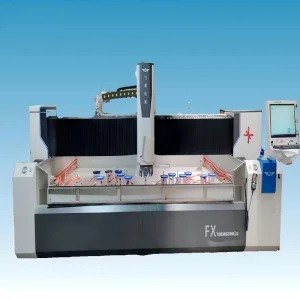
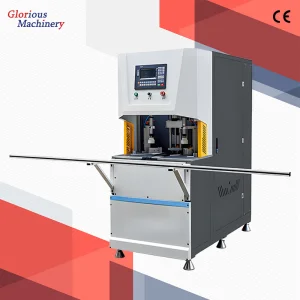
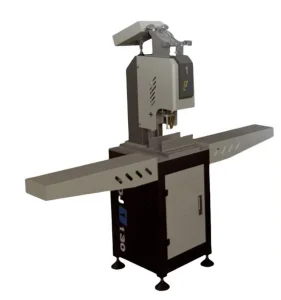
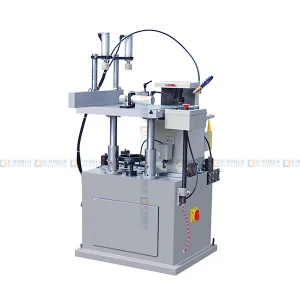
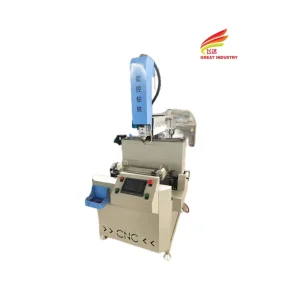
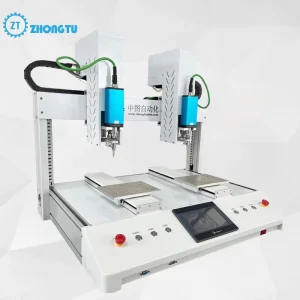
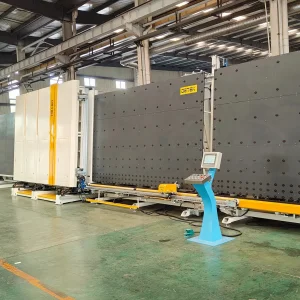
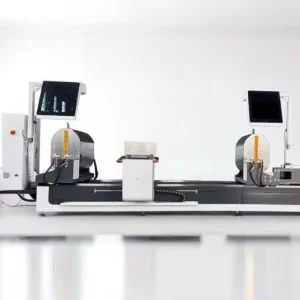
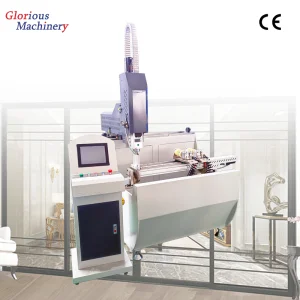
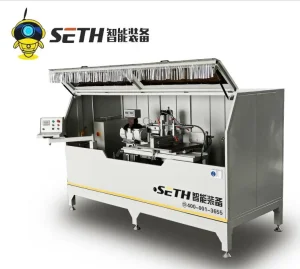
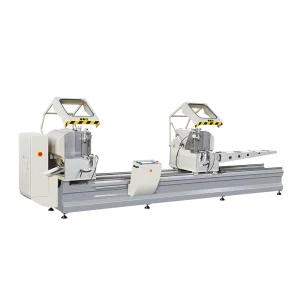
Zhixing Intelligent is a national high-tech enterprise dedicated to providing products and solutions for the intelligent processing of aluminum profiles and PVC profiles. Our core R&D direction is geared toward industrial aluminum and multi-category customized doors and windows intelligent equipment, including the new generation of intelligent workstations (drilling and milling saw), cutting centers, machining centers, intelligent double-headed saws, CNC end milling machines, and automated silicone sealing robots.
  • 13+ Years of Precision Engineering Experience – Over a decade of developing world-class automated machinery.
  • Uncompromising Workmanship – We maintain continuous investment in structural R&D and toolpath optimization.
  • High Quality Standards – Stringent internal quality controls ensuring compliance with international directives.
  • Guaranteed Timely Delivery – Streamlined manufacturing processes and robust supply chain logistics.
  • 24/7 Professional Engineering Support – Technical consulting and remote assistance within 24 hours.
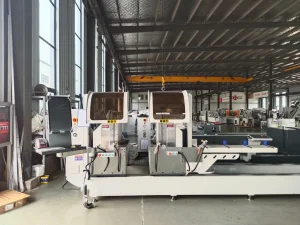
Zhixing Intelligent Factory Overview

Macro Industry Solutions: The Automated Glazing Revolution

How silicone sealing robots are shaping modern building envelopes, structural facade designs, and high-volume window production.

Modern architectural trends demand increasingly complex, larger, and more energy-efficient glass panels. Insulating glass units (IGUs) with double or triple glazing are now standard in green building regulations worldwide. To prevent gas leakage (such as Argon) and guarantee decades of insulation performance, secondary structural sealing must be flawless.

Structural Silicone Glazing (SSG)

For unitized curtain walls, structural silicone transfers dynamic wind loads from the glass to the aluminum framing. Robotic sealing systems ensure exact depth control, bubble-free extrusion, and continuous adhesion, mitigating structural risks that manual sealing often introduces.

High-Volume Window & Door Assembly

Integrating a silicone sealing robot into a continuous window production line optimizes throughput. It communicates directly with cutting, drilling, and spacer assembly units, automatically adjusting to variations in glass thickness, spacer recess depth, and overall frame dimensions.

50%
Labor Reduction
Decreased manual handling dependencies
99.9%
Dosing Accuracy
Consistent bead thickness and corner sealing
0%
Material Waste
Precise volume calculation per linear meter
10+
National Patents
Proprietary CNC & flow-control systems

Global Commercial & Industrial Landscape

Navigating regional requirements, supply chains, and technological gradients across different continents.

The international supply chain for insulating glass and window-making machinery is undergoing rapid technological convergence. Manufacturers in Asia, Europe, and North America are moving away from stand-alone machinery toward fully integrated, IoT-connected smart factories.
When sourcing from a top 10 silicone sealing robot factory, buyers must analyze not only the purchase price but also long-term reliability and compliance with region-specific structural codes:
European Market (EN 1279 Standards)
Demands extreme gas retention rates (Argon leakage <1% per year). Sealing robots must apply dual-component structural sealants with tight tolerances to prevent moisture penetration over a 25-year service life.
North American Market (ASTM C1249)
Focuses on high-wind load capacity, particularly in hurricane-prone zones. Heavy structural silicone application on massive unitized glass panels requires high-pressure extrusion and precise mixing ratios.
Emerging Markets (Rapid Urbanization)
Prioritizes fast throughput, multi-size capability, and robust machinery that requires minimal maintenance. Adaptable CNC interfaces and remote telemetry support are critical criteria here.

Technical Roadmap & Future Outlook

The convergence of artificial intelligence, high-accuracy sensing, and advanced fluid dynamics in sealing technology.

Smart Flow Control

By integrating closed-loop servo feedback loops, modern sealing robots dynamic-adjust the pump speed based on real-time carriage speed, eliminating corner bulging or necking.

AI-Driven Laser Edge Profiling

Advanced vision sensors map the three-dimensional spacer cavity before extrusion. The robot adjusts its nozzle positioning and sealant volume automatically, compensating for misaligned spacer bars.

Zhixing Intelligent is currently developing its next-generation hybrid CNC sealing technology. By merging IoT telemetry with real-time pressure transducers, the system predicts mechanical seal wear-and-tear and automatically corrects the mixing ratio of dual-component silicone, minimizing down-time and scrap material.

Localized Application & Integration

Seamless integration of sealing robots into specialized industrial production workflows.

Case Scenario 1: High-Rise Structural Glazing Lines

Commercial curtain wall manufacturers require structural silicone sealants with fast curing profiles. Sealing robots equipped with precise component proportioning (Base & Catalyst) guarantee structural properties that pass local building inspection requirements, including ASTM and European ETAG structural standards.

Case Scenario 2: Double Glazing & Triple Glazing IGUs

Modern luxury residential builds require triple glass panels with two spacer cavities. Our machinery manages dual-cavity steps seamlessly, adjusting nozzle positioning automatically for uneven glass edges without requiring operator manual overrides.

Case Scenario 3: Mixed Production & Special Shapes

Many factories process rectangular and shaped glass sequentially. Modern CNC processing algorithms calculate the complex math required for triangular, trapezoidal, or curved glass edges, path-finding the ideal extrusion speed for a smooth, uniform finish around every angle.

Our Advantages & Core Value Proposition

Why global glass processors partner with Shandong Zhixing Intelligent Equipment Co., Ltd.

QUALITY ASSURANCE
We have 100% quality guarantee to customers. We conduct thorough stress testing on our CNC systems, pump assemblies, and structural frames prior to shipping. We will be responsible for any quality problem.
EXCELLENT SERVICE
Good after-sale service, handling the customer complaints, diagnostic troubleshooting, and prompt part delivery to minimize production downtime and solve problems for customers.
REASONABLE PRICING
Our products are complete in variety, good in quality, and reasonable in price. By leveraging vertical integration of manufacturing components, we deliver maximum value per investment dollar.
FAST & SECURE DELIVERY
Complete protective packaging to prevent oxidation or mechanical damage during shipping, with prompt dispatch to port and logistics routes prioritized for fast delivery.

Frequently Asked Questions: Sourcing Silicone Sealing Robots

Expert technical answers to key questions regarding robotic glass sealing technology, installation, and workflow integration.

What is the function of a silicone sealing robot in an insulating glass line? +
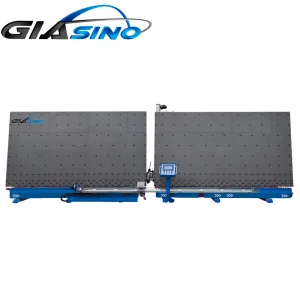
A silicone sealing robot automates the application of the secondary sealant (typically silicone, polysulfide, or polyurethane) to the edge cavities of double or triple-glazed insulating glass units (IGUs). This ensures gas-tight structural bonding and barrier protection against moisture.
How does the robot adapt to varying glass sizes and spacer depths? +
The robot utilizes integrated glass thickness and spacer depth sensors. As the glass panel moves along the conveyor, the system reads the edge configuration in real-time, automatically adjusting nozzle positioning and flow rate variables.
What is the difference between single-component and dual-component sealing? +
Single-component sealants cure via ambient moisture, requiring longer cure times. Dual-component sealants consist of a base and a catalyst mixed at precise ratios (typically 10:1 by volume) immediately before extrusion, resulting in rapid chemical curing.
Can the robot seal shaped glass (trapezoids, triangles, circles)? +
Yes, advanced CNC-based sealing robots from top factories feature multi-axis interpolation. The system calculates complex contour paths using visual scanning or pre-loaded CAD profiles to seal irregular glass shapes.
What quality certifications should a reliable supplier hold? +
A reliable factory should be ISO9001 certified, and all machinery should bear CE markings for safety compliance. For North American exports, UL or CSA certification compliance for electrical controls is crucial.