Zhixing Machine
Zhixing Machine
Zhixing Machine
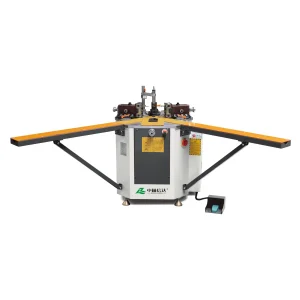
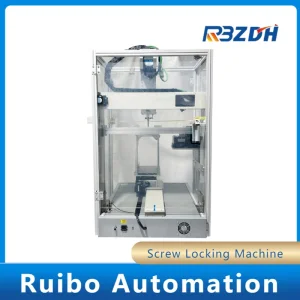
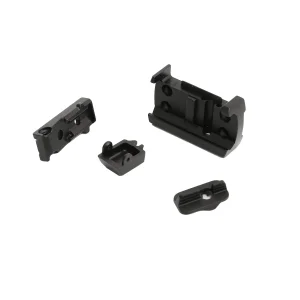
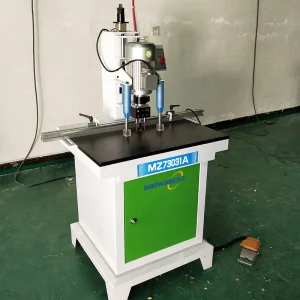
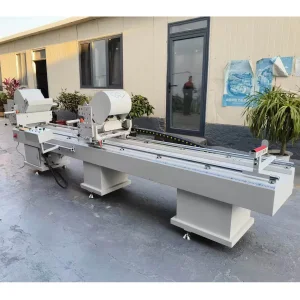
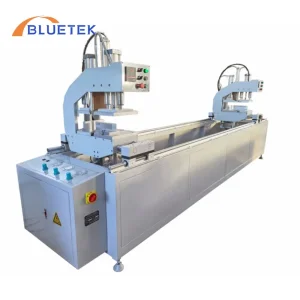
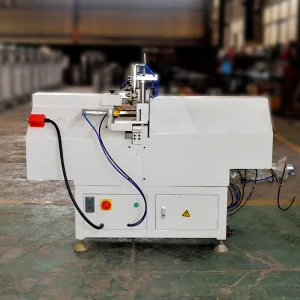
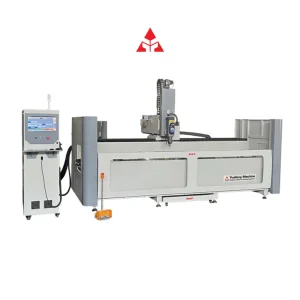
In the contemporary architectural and industrial sectors, the demand for energy-efficient materials has reached unprecedented heights. Thermal break aluminum profiles, characterized by their composite structure of aluminum extrusions and polyamide insulating strips, have become the standard for modern curtain walls, window frames, and structural glazing. The rolling machine, or rolling and pressing compound machine, is the critical technology that ensures the structural integrity of these composite profiles.
Globally, strict environmental regulations such as the European Union's Energy Performance of Buildings Directive (EPBD) and North America's ASHRAE standards mandate highly insulated building envelopes. This regulatory push has transformed the aluminum profile rolling machine from a specialized tool into a mainstream industrial necessity. The rolling process must guarantee high shear strength and precise dimensional stability to withstand wind loads, thermal expansion, and structural stresses in high-rise buildings.
Key Insight: The mechanical performance of a thermal barrier profile relies entirely on the precision of the rolling process. A deviation of even 0.05mm in the rolling pressure can lead to structural failure or air infiltration in the finished window system.
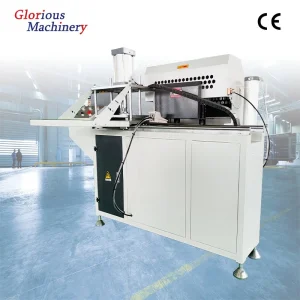
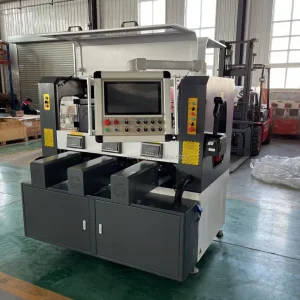
The thermal break assembly line typically consists of three primary machines: the knurling machine, the strip insertion machine, and the rolling/pressing compound machine. Shandong Zhixing Intelligent Equipment Co., Ltd. has engineered the Electrically Controlled CNC Rolling and Pressing Compound Machine to integrate these processes with high-level automation.
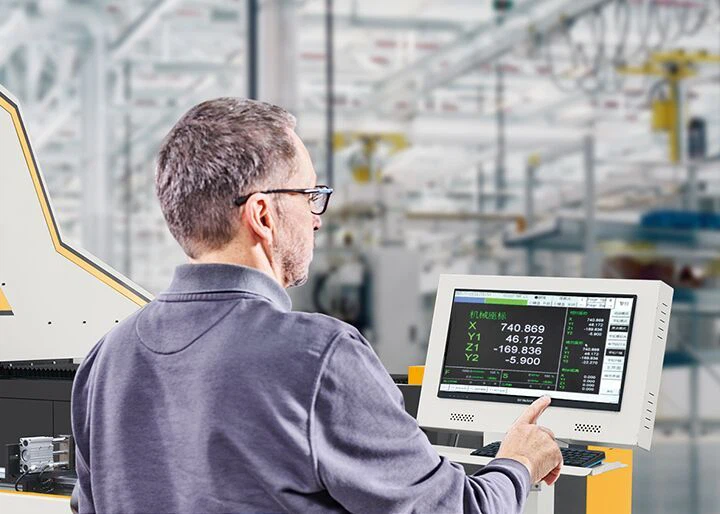
Real-time monitoring of rolling force and speed ensures uniform pressure application across the entire length of the profile, compensating for extrusion tolerances.
Accommodates complex, asymmetrical profile geometries. The rolling discs are adjustable on multiple axes to apply pressure precisely where the aluminum teeth clamp the polyamide strip.
Engineered to meet the stringent requirements of EN 14024. Our machines guarantee that the composite profile achieves the required longitudinal shear strength.
During the rolling process, three pairs of rolling wheels press the aluminum profile's outer flange against the polyamide strip. The first pair performs pre-rolling, the second pair executes the main pressing, and the third pair straightens and finishes the composite profile. This gradual deformation prevents stress fractures in the aluminum and ensures a tight, hermetic seal.
China has established itself as the global epicenter for aluminum extrusion and processing machinery. Shandong Zhixing Intelligent Equipment Co., Ltd., located in the industrial heartland of Shandong province, leverages this ecosystem to deliver high-performance machinery at competitive price points.
Our factory efficiency is driven by complete vertical integration. From raw steel sourcing and precision CNC machining of components to software development for our CNC rolling machines, every step is controlled in-house. This reduces lead times and guarantees that our equipment meets strict international standards, including ISO9001, SGS, and CE certifications.
Compared to European counterparts, Chinese manufacturers offer rapid customization. If a client has a unique profile geometry for a specific architectural project, our engineering team can design custom rolling wheels and program the CNC parameters within days, rather than months. This agility is a critical competitive advantage for global fabricators working on tight project schedules.
The application of thermal break rolling machines varies significantly by region, depending on local climate conditions and building codes:
Shangdong Zhixing Intelligent Equipment Co.,Ltd. specializes in the production of aluminum, upvc window and door machine, curtain wall and hollow glass processing machine equipment that can meet the needs of different clients, and can also be customized according to customer requirements.
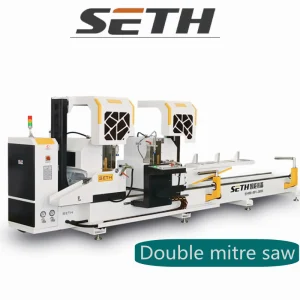
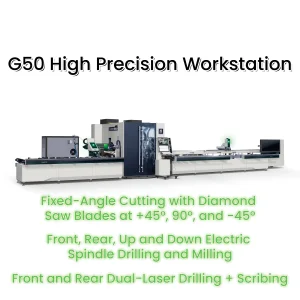
Zhixing Intelligent is a national high-tech enterprise dedicated to providing products and solutions for the intelligent processing of aluminum profiles and pvc profiles. The product research and development direction is mainly for industrial aluminum and multi-category customized doors and Windows of intelligent equipment, including the new generation of intelligent workstation (drilling and milling saw), saw center, machining center, intelligent double-headed saw, CNC end milling and other products.
The company has rich experience in R&D production and more than 10 national patents and passed ISO9001, SGS, CE certifications, excellent product design and development engineers, skilled production engineers, experienced production management team and after-sales service that providing you with a strong guarantee.
We have 100% quality guarantee to customers. We will be responsible for any quality problem.
Good after-sale service, handling the customer complaint and solve problem for customers.
Our products are complete in variety, good in quality, reasonable in price.
Complete packaging to ensure products quality, and transport to the destination in the first time.
When purchasing an aluminum profile rolling machine, global procurement managers must evaluate several critical technical parameters to ensure long-term ROI and operational safety:
1. Control System & Automation: Ensure the machine features a programmable logic controller (PLC) with a user-friendly HMI. This allows operators to save profile templates, reducing setup times when switching between different extrusion shapes.
2. Pressure Monitoring: The integration of pressure sensors with digital displays is essential. This allows real-time monitoring of the rolling force, preventing under-rolling (which reduces shear strength) or over-rolling (which deforms the profile).
3. Component Quality: Look for machines utilizing internationally recognized pneumatic and electrical components (such as Schneider, Siemens, or Omron). This ensures easy sourcing of replacement parts locally, minimizing downtime.
The industry is moving rapidly towards fully integrated, smart factories. The next generation of rolling machines will feature AI-driven quality inspection systems that use laser scanning to verify the dimensions of the composite profile in real-time. Any deviation from the CAD model will trigger automatic adjustments in the rolling pressure.
Additionally, sustainability is driving the adoption of energy-efficient hydraulic systems and hybrid servo-driven actuators. These technologies reduce power consumption by up to 40% during idle periods, aligning with global corporate carbon reduction goals.