Zhixing Machine Zhixing Machine

10 Tips to Ensure Processing Precision for Aluminum Profiles?

Time:2026-05-16 Author:Charlotte
0%

Achieving high precision in the processing of aluminum profiles is crucial in various industries. Understanding how to ensure processing precision for aluminum profiles can significantly impact the final product quality. This requires a blend of advanced technology and skilled craftsmanship.

Effective techniques involve careful measurement and monitoring during production. Using reliable tools and systems helps maintain quality standards. Operators must be trained to recognize possible discrepancies. Even minor errors can lead to substantial problems in end-use applications.

Moreover, consistency in materials plays a vital role in executing precise profiles. The right alloy and surface treatment contribute to this overall accuracy. There are always areas for improvement and reflection. Adopting new methods and technologies is essential, but traditional practices should not be overlooked. Continuous assessment can drive enhancements in precision.
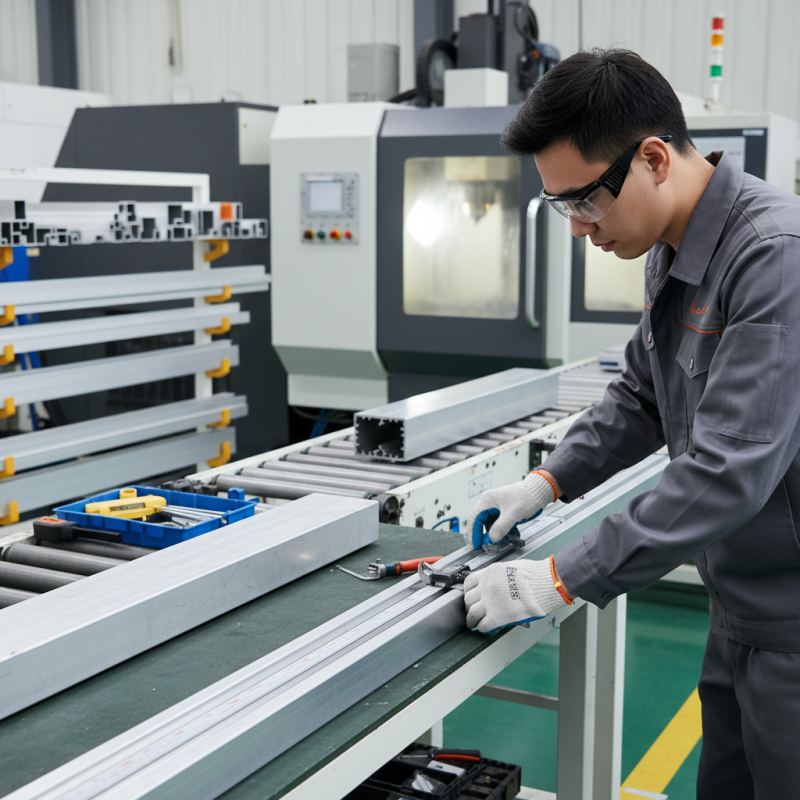
10 Tips to Ensure Processing Precision for Aluminum Profiles?

Understanding the Importance of Precision in Aluminum Profile Processing

Understanding the precision of aluminum profile processing is crucial in various industries. Accurate processing ensures high-quality products and minimizes waste. According to a report by the Aluminum Association, small variations in aluminum thickness can lead to significant functional issues in final applications. This statistic highlights the need for strict adherence to precision standards.

To achieve better precision, consider implementing advanced measurement technologies. Real-time monitoring of dimensions during production can detect deviations immediately. This proactive approach lessens the chances of defects. Many industry experts suggest standardizing calibration procedures for all machinery. Regularly calibrated equipment produces more consistent and reliable profiles.

Another vital tip is to train your workforce. Ensuring that operators understand the importance of precision can lead to enhanced quality control. A well-trained team can spot potential issues early. They are better equipped to make adjustments and improve outcomes. Remember, precision impacts both performance and safety in end products.

Key Factors Influencing the Accuracy of Aluminum Profile Machining

When it comes to machining aluminum profiles, precision is crucial. Several factors influence the accuracy of this process. First, the choice of tooling can make a significant difference. High-quality cutting tools can reduce wear and provide cleaner cuts. Dull tools not only hinder precision but may also lead to unexpected errors, impacting overall production quality.

Another essential factor is the setup of the machining equipment. Proper alignment and calibration are vital. Misalignment can cause parts to deviate from specifications. Regular equipment maintenance should be a priority. Neglecting this can result in mechanical failures, which may compromise accuracy.

The environment also plays a role in machining precision. Temperature fluctuations can affect material properties. Maintaining a stable working environment will help achieve consistent results. Furthermore, operators must be well-trained. Even experienced machinists can overlook details. Continuous training and awareness can reduce mistakes, ultimately improving the quality of aluminum profiles.

Employing Advanced CNC Technology for Enhanced Processing Precision

The use of advanced CNC technology in processing aluminum profiles has revolutionized manufacturing standards. CNC machines can achieve tolerances as tight as +/-0.005 mm. This precision significantly enhances the quality of the final products, impacting industries from automotive to aerospace. In a recent industry report, manufacturers utilizing CNC systems reported a 30% reduction in waste. This result not only conserves resources but also cuts costs, a crucial factor in today’s competitive market.

Yet, achieving this level of precision is not without challenges. Calibration errors may still occur, leading to deviations in dimensions. An analysis from the Precision Engineering Journal highlighted that up to 15% of CNC machined parts may require rework due to minor misalignments. This statistic underscores the need for continuous training and investment in technology. Furthermore, the complexity of programs and the need for skilled operators cannot be overlooked. Regular maintenance of CNC machinery is essential to prevent breakdowns that could disrupt production timelines.

Implementing advanced CNC technology demands a commitment to ongoing education. Operators must understand programming nuances and machine capabilities. Data shows that businesses investing in staff training see a 20% increase in productivity. This alignment of technology with skills enhances overall efficiency and processing precision. By focusing on these aspects, manufacturers can optimize their operations and meet the rigorous demands of today's markets.

Material Selection: How Aluminum Alloys Affect Profile Accuracy

Material selection plays a crucial role in ensuring accuracy for aluminum profiles. Different aluminum alloys possess unique properties that influence how well profiles can be manufactured. For instance, alloys like 6061 and 6063 are commonly used due to their favorable strength-to-weight ratios. However, choosing the right alloy can be challenging. Strength and ductility must be balanced to avoid deformation during processing.

Temperature control is another important factor that can affect profile accuracy. Some alloys, when heated, may expand unevenly, leading to variations in size. Even slight thermal inconsistencies can result in significant deviations. Engaging in meticulous temperature management can mitigate these issues. Proper stamping or extrusion techniques also contribute to precision; however, oversight in these areas may lead to inaccuracies.

Regular testing and quality assessment are essential. They help identify any weaknesses in the profile's structure. Additionally, feedback from production can help adjust processes for improved outcomes. While striving for perfection, it is crucial to recognize areas for refinement. This self-reflection promotes continuous improvement in achieving high precision during aluminum profile manufacturing.

10 Tips to Ensure Processing Precision for Aluminum Profiles

This chart illustrates the profile accuracy percentage of different aluminum alloys. Understanding how each alloy performs can significantly impact the processing precision of aluminum profiles.

Quality Control Measures for Maintaining Precision in Aluminum Fabrication

Quality control is vital in aluminum fabrication. Maintaining precision requires thorough checks throughout the manufacturing process. Effective strategies can significantly enhance the accuracy of aluminum profiles.

One essential tip is to conduct regular inspections. Frequent checks during production can catch deviations early. Utilize calibrated tools for measurements to ensure reliable data. Another critical measure is to implement a robust feedback loop. Analyzing past results can highlight recurring issues. This reflection can lead to proactive improvements.

Training staff on best practices is also crucial. Skilled workers can notice subtle defects. They should understand the importance of precision. A culture of quality within the team promotes diligence.

However, it’s important to acknowledge that mistakes can happen. Learn from these errors to refine your processes. Balancing precision with practical challenges ensures a roadmap for continuous improvement.

FAQS

: What factors affect the accuracy of aluminum profile machining?

: Key factors include tooling choice, equipment setup, and environmental conditions.

How does the choice of tooling impact machining precision?

High-quality tools reduce wear and improve cut cleanliness. Dull tools can lead to errors.

Why is equipment setup critical for machining accuracy?

Proper alignment and calibration prevent deviations from specifications. Misalignment may cause issues.

What role does the environment play in machining processes?

Temperature fluctuations can change material properties, affecting consistency in results.

How important is operator training in machining?

Continuous training helps reduce mistakes. Experienced operators can still overlook important details.

What are the benefits of using advanced CNC technology?

CNC can achieve tight tolerances and reduce waste by 30%. This enhances product quality and efficiency.

What challenges come with implementing CNC technology?

Calibration errors may lead to rework. Skilled operators are essential for success.

How can businesses ensure their CNC systems remain effective?

Regular maintenance prevents breakdowns. Ongoing education about programming is also crucial.

What impact does training have on productivity?

Companies investing in staff training report a 20% increase in productivity.

Why is attention to detail essential in aluminum machining?

Small oversights can lead to significant errors. Reflecting on processes can improve outcomes.

Conclusion

Ensuring processing precision for aluminum profiles is critical for achieving high-quality results in manufacturing. Understanding the importance of precision involves recognizing how accurate machining impacts the overall functionality and durability of the final product. Key factors influencing the accuracy include proper tooling, the skill of operators, and the maintenance of machinery. Employing advanced CNC technology can significantly enhance processing precision, allowing for intricate designs and tighter tolerances.

Additionally, selecting the right aluminum alloy is crucial, as different materials can affect profile accuracy in various ways. Implementing stringent quality control measures throughout the fabrication process further ensures that the desired specifications are met consistently. By focusing on these critical areas, manufacturers can effectively address how to ensure processing precision for aluminum profiles, leading to improved performance and reliability in their products.

Charlotte

Charlotte

Charlotte is a seasoned marketing professional with a deep understanding of the company's portfolio and a passion for elevating its presence in the market. With a keen eye for detail and a commitment to excellence, she ensures that our professional blog is regularly updated with insightful articles......