Zhixing Machine
In the competitive world of window manufacturing, choosing the right processing machines is critical. Industry expert Dr. John Smith emphasizes, "The right machinery can significantly boost efficiency and product quality." Understanding how to choose processing machines for small window factories is a nuanced task. It involves thoughtful consideration of machine capabilities, production volume, and budget constraints.
Small window factories often face unique challenges such as limited space and resources. Selecting machines that maximize productivity while fitting within these constraints is essential. Additionally, manufacturers must evaluate the technological requirements for modern designs. This process can seem daunting, but it opens avenues for innovation and growth.
Mistakes in equipment selection can lead to costly setbacks. Choosing machines that lack the necessary efficiency may hinder production and affect profitability. Therefore, reflection and careful analysis are key when navigating this decision-making process. Taking the time to learn about options and best practices can make a significant difference in a factory's success.
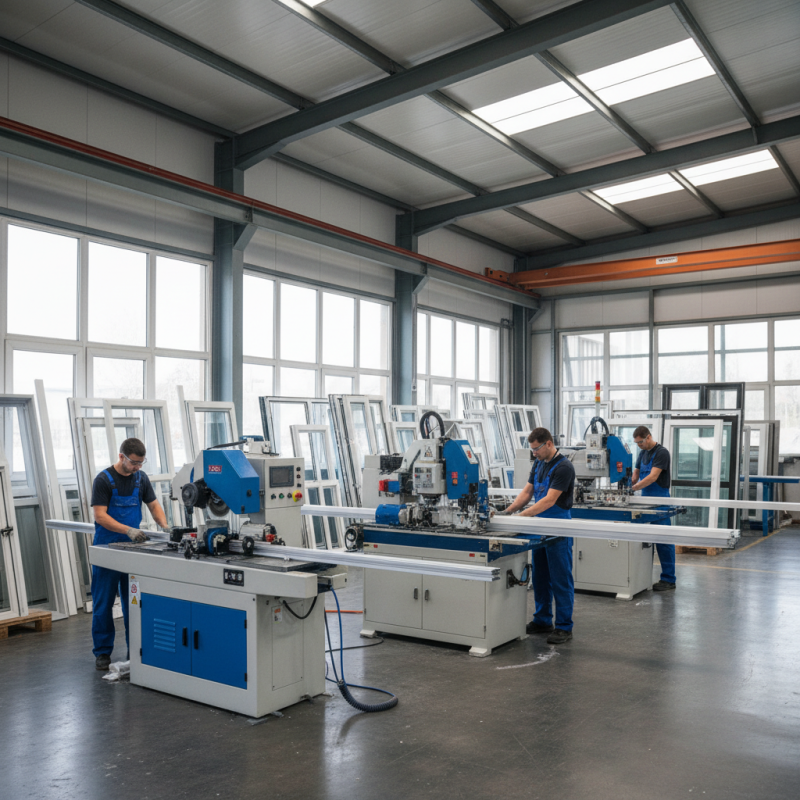
Understanding the production needs of your small window factory is crucial for success. Start by assessing your product range. Are you focusing on standard sizes or custom designs? Each option demands different processing equipment. For custom windows, machines that can handle diverse materials are essential. Your choices directly impact efficiency and flexibility.
Look into your expected production volume. Understanding how many windows you plan to produce monthly will guide your machine selection. High-volume output requires robust machines that can operate for longer periods. However, investing in heavy-duty equipment may not be necessary for small batches. Balancing these factors is key.
Don't overlook the skill level of your workforce. The complexity of machines may require specific training. If your team lacks expertise, it could lead to costly mistakes. Investing in user-friendly machines might pay dividends. Lastly, consider future needs too. Your factory might grow, and the equipment should adapt to changes in demand. Keep the long-term vision in mind while making decisions.
When assessing processing machines for window manufacturing, the first aspect to consider is the specific materials you will work with. Most small window factories utilize PVC, aluminum, or wood. Each material requires distinct machinery and setups. For instance, PVC processing machines often come equipped with special cutting and welding equipment. This tailored approach improves efficiency and product quality.
Another key factor is the capacity of the machines. A recent market report indicates that 70% of small manufacturers struggle with machine production capacity. Choosing machines that fit your production goals is vital. For a shop producing 500 windows per month, investing in machines capable of handling 1,000 units could be beneficial. However, this must align with your operational budget and workspace constraints.
Additionally, consider automation levels. A study by the International Window Association found that automated machines reduce labor costs by up to 30%. However, the initial investment can be high. For small businesses, this creates a dilemma. Balancing automation and initial costs is crucial for long-term viability. Every factory needs to assess its specific needs before making a decision.
When selecting processing machines for small window factories, understanding machine efficiency and performance metrics is crucial. Evaluate energy consumption to ensure lower operational costs. Machines that consume less energy while maximizing output will save money over time. Measure production speed. A faster machine can increase output but may sacrifice quality. Balance speed with the quality of the finished product.
Tip: Consider maintenance requirements. Machines that require frequent servicing can disrupt production. Opt for machines with reliable performance records. Assess technology used in machines. Advanced technology can improve precision and speed. However, it can be expensive. Sometimes, simpler machines are more effective.
Reflect on your factory's specific needs. Not every machine suits every production style. It is important to assess your workflow and find a machine that complements it. Review user feedback to gauge real-world performance. Real experiences can guide your decision, revealing potential issues or benefits that specs might not show.
When choosing processing machines for small window factories, budget constraints play a crucial role. Every decision must be made with careful consideration. It's essential to balance the cost of machinery with potential investment returns. If a high upfront cost leads to increased efficiency, it could pay off over time. Think about long-term savings in labor and energy consumption as well.
Analyze your production needs closely. Sometimes, a machine may seem cheap but offers limited functionality. This could impact overall production quality or add hidden costs. Also, consider the maintenance requirements. Machines that are inexpensive initially might require expensive repairs. Evaluate the total cost of ownership, which includes energy, maintenance, and training.
It’s easy to get caught up in the excitement of new technology. However, reflecting on real-world applications is vital. Talk to others in the industry to understand their experiences. Seek feedback on what has worked well for them, and what pitfalls to avoid. This knowledge can guide smarter investment decisions. Always keep an eye on how different machines perform over time. Investing wisely is the best way to ensure steady growth.
When selecting processing machines for small window factories, after-sales service is crucial. A report by the Association of Manufacturing Technology indicates that companies lose an average of 40% of potential revenue due to machine downtime. Reliable after-sales support minimizes this risk. Without effective service, factories may struggle to get timely repairs or needed parts, impacting production schedules.
Supplier support can vary widely across the industry. A recent survey revealed that only 60% of businesses were satisfied with their supplier’s after-sales service. Factories often report difficulty in accessing technical support or facing long response times. This could lead to delays and increased operational costs. Engaging with suppliers during the selection process is vital for understanding their support capabilities. Questions about response times and availability of spare parts should be prioritized.
Investing time in assessing supplier support pays off in the long run. Clear communication about expectations can prevent misunderstandings. After all, an effective partnership with suppliers enhances operational efficiency. Small window factories depend on robust support to maintain competitiveness. As production needs evolve, so should the level of service demanded from suppliers.
| Tip | Description | Supplier Support | After-Sales Service |
|---|---|---|---|
| 1. Assess Your Needs | Determine specific manufacturing requirements and the types of windows you will produce. | Evaluate supplier's ability to provide tailored solutions based on your needs. | Check warranty terms and maintenance support availability. |
| 2. Quality of Machines | Look for machines with high build quality and durability to withstand continuous usage. | Supplier should provide quality assurance documentation and certifications. | Assess the ease of getting replacement parts and technical assistance. |
| 3. Technology and Features | Opt for machines that incorporate the latest technology for efficiency and ease of use. | Supplier should provide training on the latest technological features included in the machines. | Inquire about software updates and upgrades post-purchase. |
| 4. Cost Efficiency | Calculate the total cost of ownership, including maintenance and energy consumption. | Supplier should offer transparent pricing and break down the costs associated with machines. | Evaluate cost of after-sales support and service plans compared to competitors. |
| 5. Customer Reviews and References | Research reviews and seek references from other small window factory owners. | Supplier should provide testimonials and case studies of successful installations. | Check response times and customer satisfaction scores from existing clients. |
: The common materials are PVC, aluminum, or wood. Each requires specific machinery.
Capacity is crucial. Machines should align with production goals to avoid bottlenecks.
Automated machines can lower labor costs by up to 30%. But initial investments may be high.
Balance costs with potential returns. High upfront costs might lead to long-term savings.
Consider total ownership costs. Inexpensive machines may incur higher repair costs later.
Effective support reduces downtime. Without it, production schedules may suffer, leading to lost revenue.
Only about 60% report satisfaction. Difficulty accessing support can increase costs and delays.
Clear expectations can prevent misunderstandings. Good partnerships enhance overall efficiency.
Be cautious. Reflect on real-world applications before making investments.
Understanding others' experiences can guide smarter investment decisions. Avoid common pitfalls.
When considering how to choose processing machines for small window factories, it is essential to start by understanding the specific production needs of your facility. This includes assessing the different types of processing machines available for window manufacturing, which can significantly impact your production efficiency. Evaluating machine efficiency and performance metrics will provide insights into their capabilities and how they align with your output goals.
Additionally, it's crucial to consider budget constraints and the potential return on investment for each machine. Investing wisely in equipment that balances cost and functionality can lead to long-term profitability. Lastly, investigating supplier support and after-sales service options ensures that your operations can continue smoothly with minimal downtime. By following these guidelines, small window factory owners can make informed decisions that enhance their production process.
