Zhixing Machine
In today’s manufacturing landscape, energy efficiency has become a major concern. Businesses are seeking innovative solutions to lower costs and reduce environmental impact. One area that requires attention is profile processing equipment. How to reduce energy consumption of profile processing equipment is a pressing question for manufacturers.
Reducing energy use in this sector can significantly decrease operational expenses. Implementing energy-efficient practices may also lead to longer equipment lifespan. Small changes, like optimizing machine settings or scheduling maintenance, can yield noticeable effects. However, achieving these goals can often be complex and requires a careful approach.
Many manufacturers struggle to identify effective strategies. Some equipment may not be designed with energy efficiency in mind. Others may face challenges in training employees on energy-saving practices. Considering these factors, it’s clear that advancing towards energy efficiency is not always straightforward. By exploring practical solutions, manufacturers can make strides in current practices and contribute to a sustainable future.
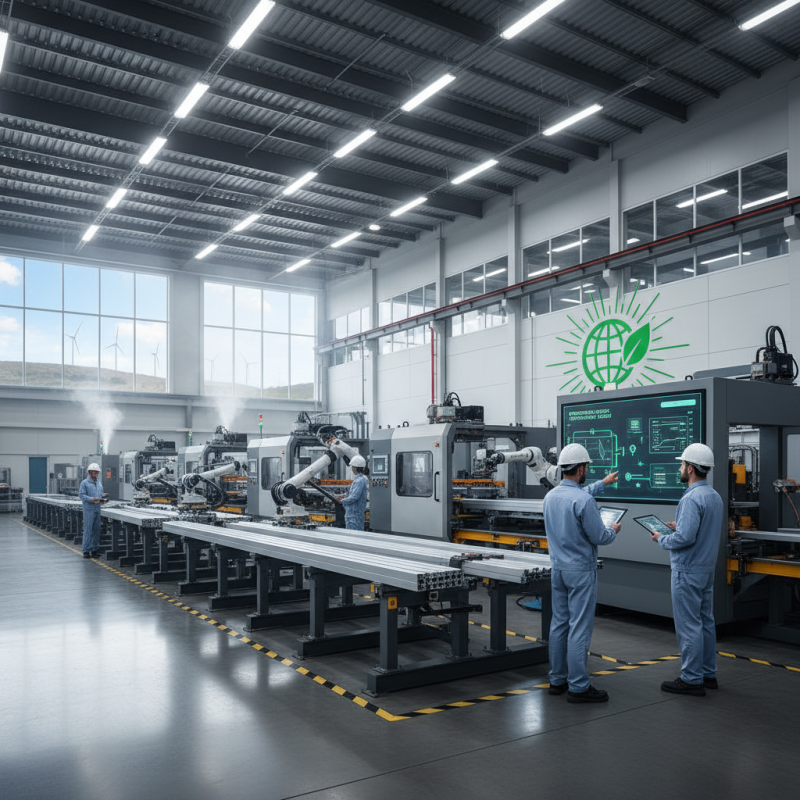
Identifying energy consumption in profile processing equipment is crucial for reducing overall energy use. Start by conducting an energy audit. This helps pinpoint equipment that consumes more energy than necessary. Measure the energy usage of each machine during different operational phases. This data reveals hidden patterns in energy consumption.
Consider using smart meters in your setup. They provide real-time data on energy use, highlighting peaks and troughs. Regular monitoring helps in spotting inefficient practices. Workers can be involved in the process. Encourage them to share observations about equipment performance. Their insights can reveal issues often overlooked.
Invest in training for staff. They can learn about energy efficiency best practices. Implementing these strategies requires ongoing effort. Understand that energy consumption can vary with production load and equipment age. Regular maintenance checks are essential. Sometimes, simple fixes can lead to significant savings.
Implementing energy-efficient technologies in profile processing can significantly lower operational costs. For instance, optimizing machine settings can enhance energy usage by up to 30%. This reduction not only cuts expenses but also decreases the carbon footprint of manufacturing activities. The adoption of variable frequency drives (VFDs) can lead to energy savings of 20-50% in motors used for profile processing. These devices adjust motor speed to match required loads, minimizing energy waste.
Moreover, integrating renewable energy sources can further bolster efficiency. A report by the International Energy Agency noted that facilities utilizing solar power for processing can reduce grid dependence by 40%. However, the transition to renewable sources requires upfront investment, which can be challenging. Experts suggest starting with pilot projects to assess feasibility while analyzing energy consumption data. This reflective approach aids in identifying patterns and opportunities for energy savings.
Incorporating energy monitoring systems can also play a crucial role. These systems provide real-time data, enabling operators to make informed adjustments. Research shows that facilities employing such technologies can achieve a 15% reduction in overall energy use. Adopting these strategies simplifies complex operational challenges but also highlights the need for continuous evaluation. There’s always room for improvement in energy efficiency efforts, demanding persistent commitment to achieve long-term sustainability goals.
In profile processing operations, optimizing workflow is crucial for energy efficiency. Proper management of machines and resources can lead to significant energy savings. Efficient workflows not only reduce energy use but also enhance productivity.
Tips: Regularly train staff on best practices. Well-informed team members make fewer mistakes. Small errors can lead to wasted energy and resources. Create a routine for machine maintenance. A well-maintained machine operates more efficiently.
Consider layout design in your workspace. Streamlined operations can reduce unnecessary movements. Inspecting material flow can also help identify bottlenecks. Simplifying these processes often reveals energy-saving opportunities. Always measure and analyze your energy use. Without data, it’s hard to pinpoint improvement areas. Remember, even minor adjustments can have a big impact.
| Best Practice | Description | Potential Energy Savings (%) | Implementation Cost |
|---|---|---|---|
| Regular Maintenance | Ensures all equipment functions efficiently | 10-15% | Low |
| Energy-Efficient Equipment | Invest in machines that consume less energy | 20-30% | High |
| Optimize Workflow | Streamline processes to minimize idle time | 15-25% | Medium |
| Heat Recovery Systems | Capture and re-use waste heat | 25-35% | High |
| Training Staff | Educate workers on energy-saving practices | 5-10% | Low |
Regular maintenance is crucial for profile processing equipment. Neglecting scheduled checks can lead to inefficiencies. Small issues can snowball into major problems. For instance, worn-out components may consume more energy. A preventive approach ensures that machinery runs optimally.
Upgrades play a key role in reducing energy waste. Older machines may lack energy-efficient features. Investing in newer technology can make a difference. Consider software updates that improve performance without heavy costs. These updates might enhance automation, leading to smoother operations.
It's important to assess the current state of equipment regularly. Failure to notice minor inefficiencies can result in significant energy loss. Training staff on maintenance practices is essential. They should recognize signs of wear and tear. Creating a culture of proactive care ultimately supports energy reduction goals.
Employee training is crucial for energy conservation in profile processing operations. All staff members should understand the significance of energy efficiency. Simple changes in daily routines can lead to substantial energy savings. For example, encouraging workers to turn off equipment when not in use reduces idle energy consumption. Regular workshops can highlight the impact of such practices.
Awareness programs foster a culture of responsibility. Employees should be actively involved in identifying areas for improvement. Team discussions can encourage innovative ideas. For instance, employees might suggest equipment adjustments or new procedures that optimize energy use. Monitoring energy usage patterns also aids in awareness. Tracking consumption can reveal surprising trends.
Training should not just be a one-time event. Frequent refreshers keep the information relevant. Engaging visual aids and practical exercises make learning effective. Evaluating the effectiveness of these programs is essential. Feedback should be incorporated to enhance training methods. Monitoring ongoing energy use creates accountability. Employees need to see how their efforts translate into real savings.
: It helps reduce overall energy use in processing equipment.
Conduct an energy audit to pinpoint high-consumption equipment.
Smart meters provide real-time data on energy consumption patterns.
It educates staff on best practices and encourages them to contribute ideas.
Encouraging workers to turn off unused equipment reduces idle energy loss.
Frequent refreshers keep employees informed about energy-saving techniques.
Team discussions may lead to innovative ideas for optimizing energy use.
Evaluate the effectiveness and incorporate feedback for better methods.
Monitoring energy patterns can reveal unexpected consumption trends.
Regular checks can prevent energy waste and lead to significant savings.
In the quest for sustainability, knowing how to reduce energy consumption of profile processing equipment becomes essential. Key strategies include identifying energy consumption patterns through detailed analysis of operations, which allows for targeted interventions. Implementing energy-efficient technologies can significantly lower energy usage while enhancing productivity.
Moreover, optimizing workflow through best practices and regular maintenance not only minimizes energy waste but also boosts the overall efficiency of processing operations. Lastly, fostering a culture of energy conservation through employee training and awareness programs ensures that everyone is engaged in the effort to reduce energy consumption, leading to long-term benefits for both the environment and the organization's bottom line.
