 Zhixing Machine
Zhixing Machine
Zhixing Machine
Errors in profile corner crimping and cleaning can lead to significant operational challenges. According to a report by the National Institute of Standards and Technology, improper crimping can cause a staggering 30% increase in production costs due to product failures. This underlines the importance of precision in manufacturing processes. How to prevent errors in profile corner crimping and cleaning is crucial for maintaining product integrity.
In the aerospace and automotive sectors, stringent quality standards demand flawless crimping techniques. A small error can compromise the safety and performance of a vehicle or aircraft. Industry experts suggest that adopting best practices in cleaning and inspection can minimize these risks. Regular training and updated procedures are vital for workers to stay informed. Yet, many companies overlook this aspect, leading to repeat mistakes.
Furthermore, a recent study highlighted that 20% of manufacturers face crimping-related defects due to inadequate cleaning. This statistic pushes organizations to reflect on their processes. A proactive approach to quality assurance not only ensures compliance but enhances customer satisfaction. By addressing these issues, businesses can achieve greater reliability and efficiency in their operations.
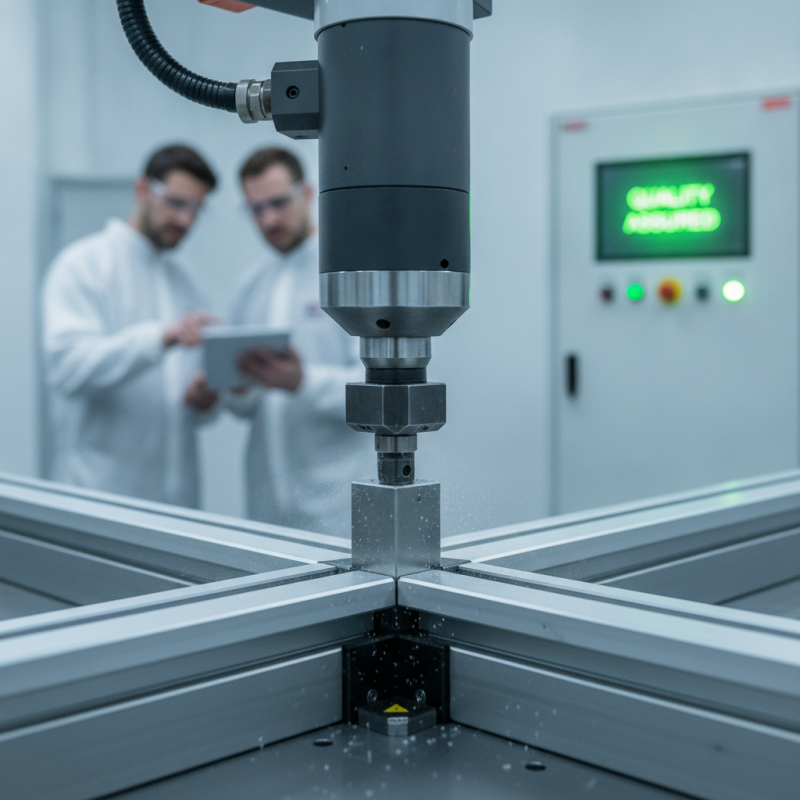
Profile corner crimping is a critical step in manufacturing processes. It ensures structural integrity and product durability. According to a recent industry report, improper crimping can lead to a 25% increase in defect rates. This not only impacts product performance but also escalates production costs. Maintaining quality through effective crimping is essential for long-term success.
Cleaning during the crimping process cannot be overlooked. A study indicated that contaminants can reduce adhesive strength by up to 40%. This shows how crucial it is to ensure a clean environment before crimping. Even small debris can create significant weaknesses in the final product. Manufacturers must prioritize cleanliness to avoid costly errors and failures.
Mistakes during these processes sometimes go unnoticed until it’s too late. Regular training and quality checks are vital. Continuous improvement and attention to detail are necessary for optimal results. Ignoring these aspects can lead to negative customer feedback and damaged reputation. This area requires serious reflection and dedication to avoid pitfalls.
| Error Type | Impact | Prevention Method | Frequency of Issue |
|---|---|---|---|
| Misalignment | Inconsistent Crimp Quality | Regular Equipment Calibration | 5% |
| Insufficient Cleaning | Contamination Risk | Implementing a Cleaning Schedule | 10% |
| Material Variability | Variable Performance | Standardized Material Checks | 8% |
| Operator Error | Increased Scrap Rate | Training and Assessment | 12% |
| Equipment Wear | Reduced Lifespan | Scheduled Maintenance | 15% |
: Common errors include improper alignment and inadequate pressure during crimping. These mistakes can lead to structural weaknesses.
Insufficient cleaning can leave residues that compromise adhesion, resulting in reduced product performance and increased failures in quality tests.
Overlooking errors can lead to costly reworks, product recalls, and damage to reputation. Continuous monitoring is crucial.
Regular inspections help maintain consistent quality and catch misalignments. This helps prevent failures in the final product.
Training improves staff awareness of best practices. A well-informed team can identify and fix problems early, enhancing overall quality.
Reflecting on past mistakes fosters improvement. Open discussions about errors encourage learning and help develop better practices.
Cleaning is vital. Contaminants can hinder electrical connections. Using lint-free cloths prevents residue buildup and ensures quality.
Companies should develop a culture prioritizing precision and quality. Continuous adjustments and employee training are essential.
Yes, even small mistakes can escalate, resulting in costly recalls or safety hazards. Vigilance is key to maintaining product integrity.
Effective profile corner crimping is crucial in manufacturing as it directly affects the integrity and performance of the final product. Common errors during the crimping process can lead to weak joints, compromising product quality. To mitigate these issues, manufacturers must understand how to prevent errors in profile corner crimping and cleaning. Implementing effective cleaning methods is essential, as residues can hinder the crimping process and result in failures.
Best practices for error prevention include thorough inspections of equipment and ensuring proper alignment during crimping. Regular training for personnel on these techniques ensures that errors are minimized, ultimately improving product quality and performance. By prioritizing these methods, manufacturers can enhance their overall efficiency and product reliability, thus reinforcing the importance of meticulous crimping and cleaning processes in manufacturing.
