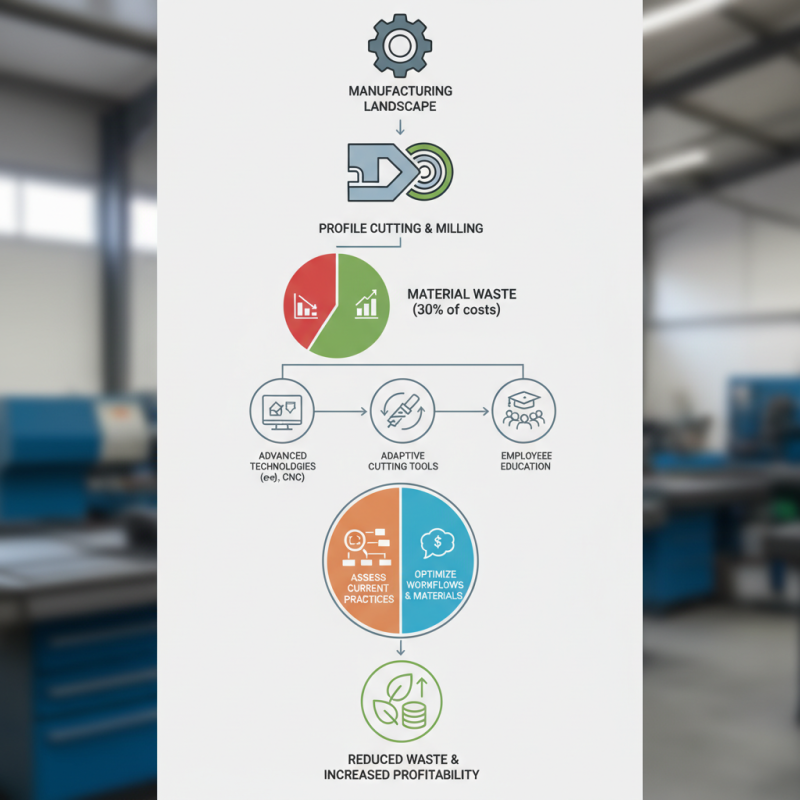
In today's manufacturing landscape, reducing waste is a critical concern. In profile cutting and milling, achieving efficiency can significantly affect the bottom line. Industry reports indicate that material waste can account for as much as 30% of production costs. This staggering figure highlights the necessity of knowing how to reduce material waste in profile cutting and milling.
Adopting advanced technologies and strategies is essential. For instance, implementing computer numerical control (CNC) machines can enhance precision, minimizing off-cuts. Additionally, using adaptive cutting tools can optimize material usage. However, not all companies embrace these options due to costs or lack of training. A focus on employee education can bridge this gap and promote a culture of waste reduction.
To advance in this area, assessing current practices is vital. Many manufacturers have yet to optimize their workflows or materials. By analyzing cutting patterns and material choices, they can make informed adjustments. This reflection can lead to smaller waste percentages and increased profitability. As the industry evolves, so must our approaches to minimize material waste effectively.
Understanding Material Waste in Profile Cutting and Milling
Material waste in profile cutting and milling is a significant issue in manufacturing. According to a recent industry report, approximately
30% of materials used in machining processes are wasted. This not only drives costs up but also poses
environmental challenges. Understanding the sources of waste is crucial for reducing it effectively.
In profile cutting, excessive scrap can arise from improper nesting techniques. The layout of parts on a sheet affects how much material is
wasted. A study shows that improved nesting can reduce scrap by up to 25%. Operators should review cutting plans
before proceeding. In milled components, poor tooling choices lead to increased waste. The correct selection of tools can enhance material utilization significantly.
In addition, machine calibration and maintenance are often overlooked. A misaligned machine can result in more waste due to inaccurate cuts. According
to experts, regular maintenance can lower waste by 15%. Manufacturers should invest in training for staff to optimize
the use of equipment. Emphasizing waste reduction strategies fosters a culture of
efficiency and responsibility.
Identifying Key Factors Contributing to Material Waste
Material waste in profile cutting and milling can be significant. Identifying key factors that contribute to this waste is essential for reducing costs and increasing efficiency. One major factor is the selection of cutting patterns. Poorly planned cuts can lead to excess material loss. Operators often rush to make cuts without considering the overall layout. This haste can result in mistakes.
Another critical aspect is machine calibration. If machines are not properly calibrated, they may produce more waste than necessary. Regular maintenance checks can help address this. Many workshops overlook these routines, thinking they can save time. This approach often leads to larger issues down the line.
Training is another essential element. A well-trained workforce understands material properties and cutting methods. However, many operators do not receive adequate training. They might lack knowledge about optimizing cuts for specific materials. In some cases, they may not even be aware of the impact of their decisions. Addressing these gaps requires ongoing education and a commitment to improvement. Implementing feedback loops can also enhance the learning process.
Material Waste During Profile Cutting and Milling
Techniques for Optimizing Design and Layout Efficiency
Minimizing material waste in profile cutting and milling is crucial for efficiency and sustainability. One technique for optimizing design is to analyze the material layout before cutting. By using software tools that simulate material use, companies can identify better arrangements, reducing scrap. A recent report from the Manufacturing Institute notes that streamlining layout can decrease waste by up to 30%.
Creating specific designs for each milling project can also enhance efficiency. This means adapting designs to better fit the material dimensions. Many companies fail to consider how slight changes can lead to significant waste reduction. In fact, a study by the National Institute of Standards and Technology showed that smaller, well-planned cuts can save up to 20% in operational costs.
Tip: Consider conducting a material utilization audit. This will help identify waste hotspots. Regularly reviewing designs helps catch inefficiencies early. Also, encourage team brainstorming sessions for new techniques to optimize layouts.
Tip: Maintain communication with suppliers. They often have insights into material characteristics that can inform better design choices. This relationship fosters an environment for continual improvement.
Implementing Advanced Technologies for Waste Reduction
Minimizing material waste in profile cutting and milling is essential in today's manufacturing landscape. Advanced technologies play a key role in achieving this goal.
Implementing software solutions that optimize cutting patterns can significantly reduce scrap. By using computer algorithms, manufacturers can identify the most efficient layouts for their materials. This not only reduces waste but also saves money.
Additionally, investing in precision machinery can further enhance waste reduction. High-quality cutting tools minimize errors, leading to cleaner cuts. However, maintenance of these tools is critical. Dull blades can lead to increased waste, which contradicts the initial investment in technology. It's crucial to regularly assess and replace cutting tools to maintain effectiveness.
Moreover, integrating real-time data analytics can help monitor efficiency. This technology tracks material usage and identifies areas for improvement. Yet, data overload can become a challenge. It's important to focus on actionable insights rather than drowning in numbers. Striking a balance between technology and practical application is essential for maximizing effectiveness in waste reduction.
Best Practices for Recycling and Repurposing Scrap Materials
To effectively minimize material waste in profile cutting and milling, companies must prioritize recycling and repurposing scrap materials. Research from the National Institute of Standards and Technology highlights that around 30% of materials can go to waste during the cutting process. This waste is not only costly but also detrimental to the environment.
Repurposing scrap metal helps in conserving resources. For instance, recycling one ton of aluminum can save more than 4 tons of bauxite, the raw material needed for its production. Organizations can establish creative reuse programs, such as turning offcuts into custom brackets or tools. Inventory management is crucial; keeping track of available materials can reveal opportunities for reuse beyond initial applications.
Continuous improvement is necessary. While many businesses recycle, a significant portion of scrap remains unused. Some industries report only 35% of scraps are effectively repurposed. Encouraging employee involvement in identifying scrap usage can foster a culture of sustainability. Workspaces should showcase examples of recycled materials to inspire innovation and highlight effective practices.
FAQS
: Key factors include cutting pattern selection, machine calibration, and inadequate operator training.
Poorly planned cuts lead to excess material loss. Operators often rush and make mistakes in layout.
Proper calibration ensures machines operate efficiently, minimizing unnecessary material waste during cutting.
Well-trained operators understand material properties and methods, but many lack proper training and knowledge.
Advanced software can optimize cutting patterns to reduce scrap significantly, saving both materials and costs.
Dull blades increase waste. Regular assessment is vital to maintain the effectiveness of cutting tools.
Repurposing scrap can conserve resources. For example, recycling aluminum can save large amounts of raw materials.
Research indicates that around 30% of materials can be wasted during profile cutting and milling.
Involving employees in identifying scrap reuse opportunities fosters a culture of sustainability and innovation.
Comprehensive inventory management can reveal opportunities for creative reuse and highlight effective recycling practices.
Conclusion
Minimizing material waste in profile cutting and milling is essential for enhancing efficiency and sustainability in manufacturing. This article explores how to reduce material waste in profile cutting and milling by first understanding the nature of waste generated during these processes. Key factors contributing to material waste, such as design inefficiencies and layout planning mistakes, are identified, allowing for a clearer approach to waste management.
Techniques that optimize design and layout efficiency are discussed, along with the implementation of advanced technologies that support waste reduction efforts. Additionally, best practices for recycling and repurposing scrap materials are highlighted, helping manufacturers make the most of their resources while promoting a more eco-friendly production landscape. By incorporating these strategies, businesses can significantly decrease their material waste and improve overall operational efficiency.
 Zhixing Machine
