Zhixing Machine
In today's competitive manufacturing landscape, minimizing downtime is crucial. Companies often grapple with inefficiencies during profile processing production. The question arises: How to reduce downtime in profile processing production? Addressing this challenge requires both a strategic perspective and technical expertise.
Efficient profile processing hinges on understanding the root causes of delays. Machinery failures, inefficient workflows, and staffing issues can all contribute to downtime. By analyzing these factors, companies can implement targeted solutions. For example, regular maintenance schedules and employee training programs can enhance operational efficiency.
Operators must also embrace new technologies. Automation can streamline processes and reduce human error. However, not all technology is a perfect fit. It's essential to assess the specific needs of your production line. Constant reflection and adaptation can lead to significant improvements. Ultimately, minimizing downtime is an ongoing journey that demands attention to detail and a commitment to continuous improvement.
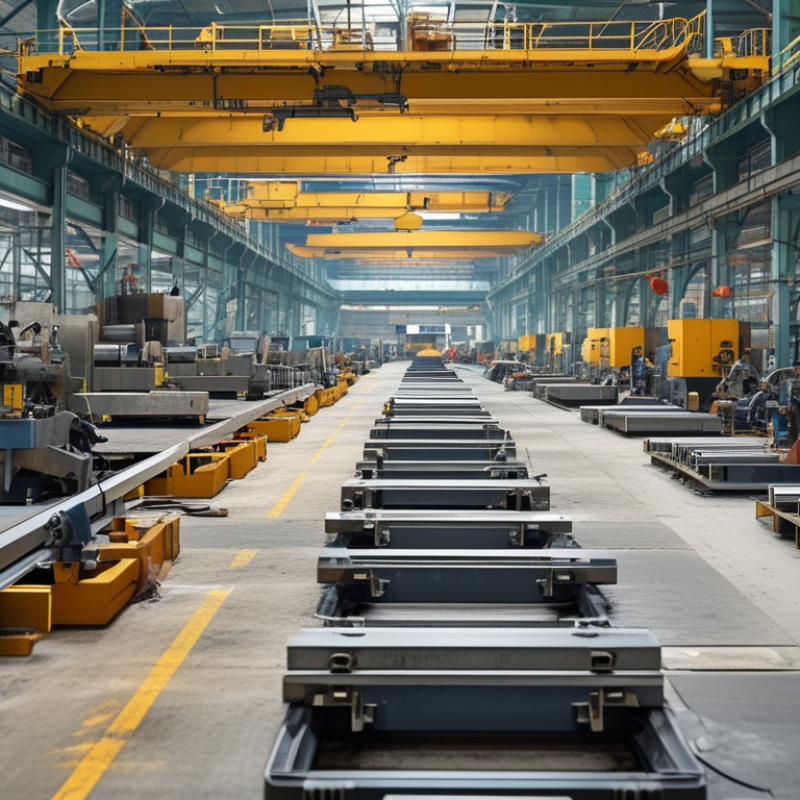
Profile processing production involves numerous challenges. Understanding these hurdles is crucial for any operation. Data quality is a recurring issue. Inaccuracies can lead to misprocessing. This not only wastes time but also resources. Many organizations face issues with data integration. Different systems may not communicate well. This can create bottlenecks in the production line.
Another challenge is variability in processing speed. Workflows differ based on the volume and complexity of profiles. High variability can cause delays. Production teams often struggle to anticipate these fluctuations. Establishing a standardized process could help mitigate this issue. However, this is easier said than done. Adapting to changes while maintaining efficiency is a delicate balance.
Communication within teams also plays a critical role. Misunderstandings can escalate minor problems into major delays. Team members must prioritize clarity. Regular check-ins can help foster this communication. Yet, this requires discipline and commitment. Not all teams adhere to this practice. Fostering a culture of open dialogue is essential, though it takes time. Each of these challenges highlights the need for ongoing reflection and adaptation in profile processing production.
This chart illustrates the various causes of downtime in profile processing production and their respective impact on overall productivity. Understanding these factors can help in developing strategies to minimize unproductive time.
Downtime in profile processing can cause significant disruptions. Identifying the common causes is essential to enhance operations. Often, equipment failure tops the list. Regular maintenance can mitigate this risk. Schedule inspections to catch issues early. Additionally, operator errors can lead to downtime. Ensure all staff are well-trained. A knowledgeable team is less likely to make mistakes.
Another frequent cause is excessive load on the system. Overloading can slow processing and lead to crashes. Monitor system performance closely. Adjust workloads to maintain efficiency. Implementing automated monitoring tools can help spot potential issues.
Tips: Keep a log of downtime incidents. Analyze patterns to understand root causes. This data can provide valuable insights. Foster a culture where feedback is encouraged. Employees on the front line can offer practical solutions. Their firsthand experience is crucial in minimizing downtime.
In profile production, minimizing downtime is key to enhancing efficiency. Studies indicate that unplanned downtime negatively impacts overall productivity by up to 20%. Implementing predictive maintenance strategies can drastically reduce these unexpected interruptions. By utilizing real-time monitoring and analytics, manufacturers can anticipate machinery failures before they occur, thereby reducing the risk of extended downtime.
Training employees on best practices is essential. An organization that invests in workforce training often sees a 30% increase in operational efficiency. Upskilled employees can troubleshoot minor issues promptly, preventing them from escalating into larger problems. Communication between teams also plays a critical role in minimizing downtime. Regularly scheduled team meetings can help share insights and address concerns before they lead to disruptions.
It’s important to regularly review and evaluate production processes. Continuous improvement should be a goal. Sometimes, outdated practices linger, leading to inefficiencies. A dedicated task force can audit production lines and identify bottlenecks. Even small adjustments can lead to significant efficiency gains, ultimately ensuring smoother production and reducing the risk of downtime.
Minimizing downtime in profile processing production is crucial for efficiency. Implementing technology solutions is a key strategy. Automation can reduce manual errors significantly. Automated systems can streamline workflows. This involves using software that identifies and resolves bottlenecks in real-time. The integration of predictive analytics can forecast potential issues. Such technology helps in planning maintenance before breakdowns occur.
Using IoT devices can monitor equipment health continuously. This allows for immediate alerts on any irregularities. However, relying solely on technology can be risky. Training staff to interpret data and act on it is essential. There may be challenges in integrating new technologies with existing systems. Companies must evaluate their current setups and be open to adjustments.
Investing in employee training is just as necessary as technological upgrades. Collaborative approaches can enhance problem-solving and reduce response times. Sometimes, despite advanced tools, human oversight remains a vital component. Regular feedback from production teams can provide insights into how technology can be better utilized. Balancing technical solutions with human expertise is key.
| Technology Solution | Benefit | Downtime Reduction (%) | Implementation Time (Weeks) | Cost Estimate ($) |
|---|---|---|---|---|
| Automated Monitoring System | Real-time performance tracking | 30% | 6 | 15,000 |
| Predictive Maintenance Tools | Preventative failure alerts | 25% | 8 | 20,000 |
| Cloud-Based Data Management | Centralized data access | 20% | 4 | 10,000 |
| Robotic Process Automation | Increased workflow efficiency | 35% | 10 | 30,000 |
| Integrated Communication Platforms | Improved team collaboration | 15% | 3 | 5,000 |
Monitoring and maintenance play a crucial role in minimizing downtime during profile processing in production environments. According to a report by the Aberdeen Group, companies that implement regular monitoring can reduce downtime by up to 35%. This statistic highlights the importance of proactive measures. Utilizing real-time monitoring tools is essential. They help in tracking system performance and identifying anomalies early.
Regular maintenance checks are vital to ensure system reliability. A study by Gartner indicates that unplanned maintenance activities account for nearly 50% of all downtime incidents. Scheduling routine checks can prevent these unexpected failures. However, many organizations overlook the importance of documenting maintenance actions and results. This lack of documentation can lead to recurring issues going unnoticed.
Effective communication within teams also contributes significantly. Miscommunication often leads to delays in addressing critical system alerts. In fact, a report from IT Pro reveals that over 30% of downtime is caused by insufficient communication during maintenance phases. Investing in a strong communication framework and training staff can enhance the monitoring process, thereby reducing downtime significantly. By focusing on these aspects, organizations can build a more resilient production system.
: Implementing technology solutions is a key strategy for reducing downtime.
Automation can significantly reduce manual errors and streamline workflows.
Training staff to interpret data is crucial for effective problem-solving and action.
IoT devices monitor equipment health continuously and send immediate alerts for irregularities.
Scheduling routine maintenance checks can help avoid unexpected failures.
Over 30% of downtime is due to insufficient communication during maintenance phases.
Documentation helps prevent recurring issues from going unnoticed.
Real-time monitoring tools track performance and help identify anomalies early.
Regular feedback from production teams offers insights on better technology usage.
A balance between technical solutions and human expertise is crucial for success.
Minimizing downtime in profile processing production is crucial for enhancing overall efficiency and productivity. To effectively tackle this challenge, it’s essential to first understand the various hurdles faced in profile processing, which often stem from equipment failures, inefficient workflows, or inadequate training. By identifying these common causes of downtime, production facilities can develop targeted strategies to streamline operations and maintain a consistent workflow.
One effective approach on how to reduce downtime in profile processing production involves the implementation of advanced technological solutions, such as automation and real-time monitoring systems. Additionally, best practices for regular maintenance and systematic monitoring can significantly mitigate the risk of unexpected interruptions. By fostering a culture of continuous improvement and adopting these strategic measures, organizations can ensure a more reliable and efficient profile production process, ultimately leading to higher output and reduced operational costs.
