 Zhixing Machine
Zhixing Machine
Zhixing Machine
Maintaining insulated glass processing equipment is crucial for optimal performance and longevity. John Smith, a renowned expert in the industry, states, “Routine maintenance is the key to avoiding costly repairs.” This highlights the need for a structured approach.
In this fast-paced industry, many overlook the importance of regular upkeep. Equipment wear and tear can lead to inefficiencies. Simple checks, like ensuring seals are intact, can make a difference.
Understanding how to maintain insulated glass processing equipment goes beyond just technical knowledge. It requires awareness of best practices. This means training staff effectively and scheduling maintenance. A proactive strategy can prevent unexpected downtime. Ignoring these steps can lead to larger issues down the line.
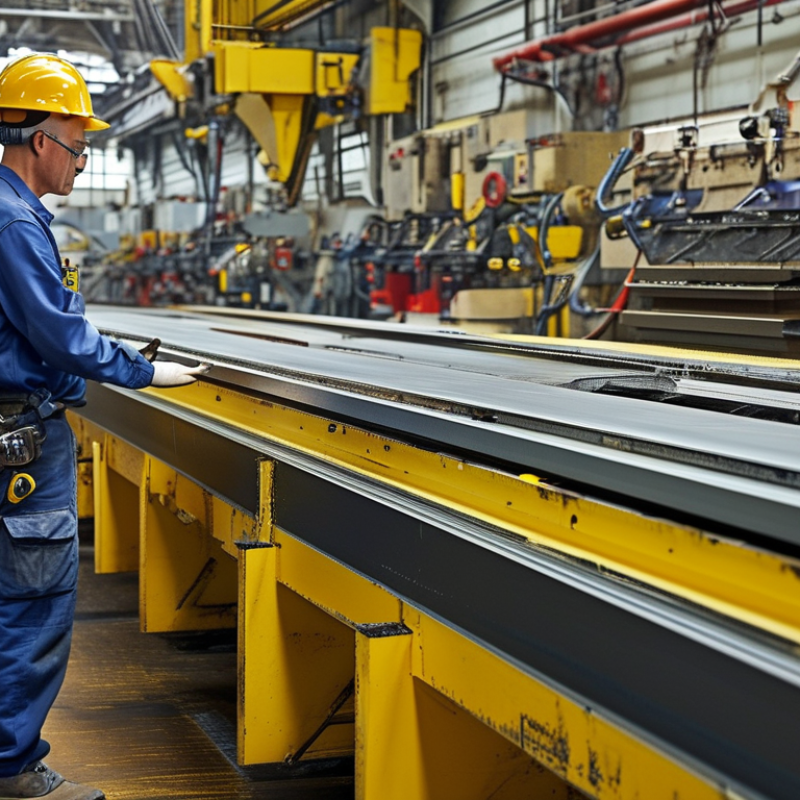
Understanding the components of insulated glass processing equipment is crucial for effective maintenance. These machines typically consist of several essential parts, each playing a vital role in the production process. The main components include glass handling systems, sealing tools, and warming or cooling systems. Each component needs careful attention to ensure optimal performance.
Glass handling systems, for instance, transport glass sheets safely. Regular inspections help identify issues such as misalignment. This could lead to damaging the glass. Sealing tools are equally important. They ensure airtight seals between glass layers. If not maintained, seal integrity diminishes, which can affect product quality.
Warming and cooling systems regulate temperature during processing. Fluctuations can lead to thermal stress. This may cause cracks or distortions in the glass. Reflecting on these potential issues is necessary for improving maintenance routines. The details of these systems should not be overlooked. Regular training for operators is fundamental. They must understand how each component functions and interacts within the equipment.
| Component | Maintenance Activity | Frequency | Common Issues |
|---|---|---|---|
| Sealing Systems | Visual inspection and replacement if damaged | Monthly | Air leaks, moisture ingress |
| Edge Deletion Equipment | Clean cutting heads and check alignment | Bi-weekly | Inaccurate cuts, decreased efficiency |
| Spacer Bars | Check for corrosion and seals | Quarterly | Thermal inefficiency, visible damage |
| Laminating Press | Lubrication of moving parts and calibration | Monthly | Uneven pressure, bonding failures |
| Temperatures Controls | Test accuracy and calibrate | Monthly | Improper curing, warped glass |
: Regular maintenance ensures optimal performance and reduces equipment failures. Neglecting it can lead to significant issues.
Daily checks must involve inspecting seals and verifying alignment. Small issues can escalate if overlooked.
Monthly inspections focus on cleaning and lubricating parts. A clean machine operates smoother and uses less energy.
Quarterly evaluations include thorough analysis, software updates, and calibration checks to improve product quality.
Improper alignment of glass panels can lead to inefficiencies and defects, affecting product quality.
Over time, seals may degrade, causing air leaks. This leads to increased energy costs and compromised insulation quality.
Loose components or improper mounting can cause excessive vibration, leading to misalignment and noise.
Operators often overlook small tasks due to routine pressures, which can negatively affect equipment longevity and reliability.
Collecting performance data helps identify patterns and address potential problems quickly. It improves troubleshooting efforts.
Not keeping maintenance records can hinder effective troubleshooting and reduce the reliability of equipment performance.
Effective maintenance of insulated glass processing equipment is crucial for ensuring optimal performance and longevity. To begin, it is essential to understand the various components of insulated glass processing machines and their specific maintenance needs. Establishing a regular maintenance schedule can help identify and address issues promptly, minimizing downtime and extending equipment life.
Common problems may arise with insulated glass equipment, but troubleshooting techniques can assist in quickly resolving these issues. Additionally, implementing best practices for cleaning and caring for the machines will further enhance their efficiency. For those looking to improve performance, considering upgrades or retrofitting equipment can provide significant benefits. Ultimately, learning "how to maintain insulated glass processing equipment" effectively encompasses a comprehensive approach combining knowledge of components, regular upkeep, and continual improvement.
