Zhixing Machine
How does seamless welding improve UPVC window appearance? The answer begins at the corner joint. Traditional mechanical corners can leave visible seams, slight steps, or uneven sealant lines. Seamless welding fuses the UPVC profiles into one continuous surface. The result is a cleaner outline, sharper geometry, and fewer shadows around each corner. It can also reduce the visual distraction caused by screw caps and added finishing materials.
The U.S. Department of Energy reports that windows can account for 25–30% of residential heating and cooling energy use. Appearance is not the only performance concern. A properly welded frame may also support better air and water resistance, when fabrication and installation are controlled. The European PVC Window Association has repeatedly highlighted profile quality, welding accuracy, and lifecycle performance in its technical sustainability work. These findings matter because a beautiful frame cannot compensate for poor alignment. Not every welded window looks seamless. Poor temperature settings, contaminated surfaces, or rushed trimming can leave white burn marks and uneven corners.
Building scientist Joseph Lstiburek offers a useful reminder: “Windows are holes in walls.” That simple sentence places appearance within a wider construction context. A polished corner should meet the glass, gasket, wall reveal, and drainage details with equal care. This article examines how seamless welding improves UPVC window appearance, from corner smoothness to colour consistency and long-term visual stability. The process is powerful, but not magical. Workshop discipline still decides whether the finished window looks refined or merely acceptable.
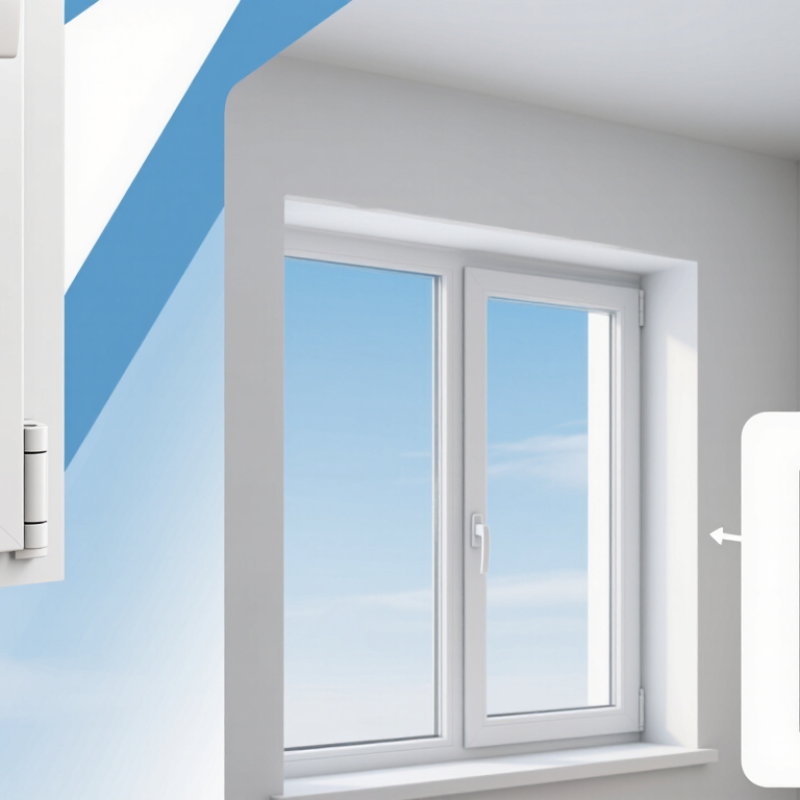
Seamless welding is a controlled fusion process used to join UPVC window profiles at their corners. Heat softens the cut edges, then pressure creates one continuous joint. The corner should look calm, with no dark gap or heavy weld bead. It should not look “perfect” by accident. Skilled operators still inspect small variations.
The European PVC Window Association’s 2023 market review estimated that PVC windows represented about 60% of Europe’s window market. This scale makes consistent welding important for both appearance and production reliability. After welding, automated corner cleaning removes excess material. Manual inspection then checks white-line visibility, surface scratches, and uneven angles. A clean corner reflects accurate cutting, stable temperature, and correct pressure.
Appearance also supports performance. The U.S. Department of Energy reports that windows can account for roughly 25–30% of residential heating and cooling energy use. A weak welded corner may affect airtightness and moisture resistance. Testing should therefore include visual checks, dimensional inspection, and air-leakage evaluation. Standards such as EN 12608 and EN 12608-1 define requirements for UPVC profile quality, but factory results still depend on daily control. Small errors remain possible. That is where experience matters. A better process records welding temperature, cycle time, corner-cleaning depth, and operator adjustments for every production batch.
Before improving UPVC window appearance with seamless welding, inspect the existing surface carefully. Scratches, yellowing, dents, and uneven gloss often reveal different causes. A cloudy finish may indicate weathering, while dark marks can point to contamination or heat damage. Run a clean cloth over the frame. Note rough edges, open joints, and visible weld lines. Photograph each corner in daylight. This creates a practical reference, not a guess. Some defects are cosmetic. Others can affect sealing, drainage, or sash alignment.
Design assessment should include frame proportions, corner geometry, sightlines, and hardware placement. A wide weld bead may make a narrow frame look heavy. Poorly matched profiles can create steps between the sash and outer frame. Check whether welding temperature, pressure, and cooling time suit the profile material. Excess heat can discolor the surface or distort a corner. Insufficient pressure may leave a weak or visible joint. Experienced fabricators measure diagonals after welding and inspect corners under angled light. Small deviations become obvious when sunlight crosses the frame.
Seamless welding works best when the design and process are evaluated together. Clean trimming, controlled corner finishing, and consistent surface texture can produce a quieter visual line. Yet perfection is not automatic. A smooth joint may still look wrong beside an uneven profile. I have seen attractive samples fail after installation because the frame was not square. That mistake is easy to miss. Recheck the window after glazing, hardware fitting, and adjustment. Record the inspection results, including defects that remain. Honest records support reliable quality decisions and expose problems before expensive callbacks occur.
A clean UPVC window weld begins with careful profile preparation. Inspect every section for scratches, twists, contamination, or uneven edges. Even small defects can become highly visible after welding. Check the cut length with a calibrated measuring tool, not only by visual comparison. Keep it dry.
Remove chips and burrs from the cut faces with a suitable trimming tool. Do not scrape aggressively, because deep marks may remain near the visible corner. Wipe the welding surfaces with a clean, lint-free cloth. Dust, oil, and moisture can weaken the joint and create a rough, discoloured seam. Store profiles on level supports to prevent bending before they reach the welding machine.
Accurate positioning matters as much as surface cleaning. Align the profile chambers and drainage features before clamping. Confirm that the welding plates are clean and correctly heated for the profile specification. Excessive heat may flatten the corner, while insufficient heat can leave a fragile joint. I have seen attractive welds fail because the profiles were forced into alignment too late. That mistake is easy to repeat. Allow the material to cool under steady pressure, then remove excess weld carefully with a sharp, controlled tool. Inspect the corner under bright side lighting. It reveals raised lines, gaps, and inconsistent trimming that normal workshop light may hide.
Seamless welding can give UPVC windows a cleaner, more refined appearance by reducing visible corner lines. The process joins heated profiles under controlled pressure, creating a smooth, continuous frame. In practical production, temperature, timing, and alignment must remain consistent. Small marks matter.
Before welding, technicians should inspect the profile surfaces and remove dust, moisture, and cutting residue. Accurate cutting is essential because even a slight mismatch can create a raised corner or uneven shadow. Measure twice. During welding, calibrated equipment helps control heat and pressure. Excessive heat may distort the profile, while insufficient heat can weaken the joint and leave a visible seam.
After welding, careful corner cleaning improves the final appearance. Automated cleaning can provide consistency, but manual inspection remains valuable around narrow edges and detailed shapes. I have found that bright lighting reveals flaws hidden under normal workshop conditions. The first trial is rarely perfect. That reality deserves attention, not concealment. Operators should compare sample corners, record process settings, and adjust them gradually. A polished surface should also remain dimensionally stable, because appearance alone does not prove reliable fabrication. Simple checks, including corner alignment, surface smoothness, and joint strength, support more dependable results. Warm indoor light, changing viewing angles, and close inspection can expose differences that a quick check misses.
After seamless welding, let the UPVC corner cool naturally before finishing. Heat can soften the profile and distort the joint. Remove excess weld material with a sharp trimming tool, keeping the blade flat against the surface. Work slowly around the corner. One careless cut can create a visible hollow.
The finished weld should look continuous, clean, and evenly aligned. Inspect it under bright, angled light. This reveals rough edges, color changes, pinholes, and fine cracks. Run a fingertip across the joint, then check it with a straightedge. Any step or raised area deserves attention. A neat appearance does not always prove a strong fusion.
Production teams should also follow documented welding temperatures, pressure settings, and cooling times. These records improve reliability and support professional quality control.
Maintenance begins with gentle cleaning. Use warm water, a soft cloth, and a mild cleaner suitable for UPVC surfaces. Avoid abrasive pads, aggressive solvents, and sharp tools near the welded corner. Check the joint during routine window cleaning, especially after severe weather or building movement. Look for opening lines, staining, or new surface distortion. Small defects are easier to correct early.
Even experienced installers miss details when lighting is poor. That is worth remembering. A perfect-looking weld can still require a closer inspection.
It fuses two heated profile ends under pressure, forming one continuous corner joint. The seam should look calm, not artificial.
It should have no dark gap, heavy bead, or sharply uneven angle. Small variations still deserve inspection.
Scratches, dust, oil, moisture, and uneven cuts can weaken the joint or make defects highly visible.
Remove chips and burrs carefully with a suitable trimming tool. Wipe the surfaces using a clean, lint-free cloth.
Store profiles on level supports. This reduces bending before clamping and alignment.
Excessive heat may flatten the corner. Insufficient heat can create a fragile connection.
Profile chambers and drainage features must align before pressure is applied. Late corrections may produce attractive but weak welds.
Check it under bright side lighting for gaps, raised lines, scratches, and uneven trimming. Normal workshop light can hide defects.
Record welding temperature, cycle time, cleaning depth, and operator adjustments for each batch. Records reveal repeated mistakes.
No. Visual quality supports confidence, but dimensional checks and air-leakage evaluation are also necessary. A neat corner can still fail.
Seamless welding offers an effective way to improve the appearance and consistency of UPVC windows by creating smooth, nearly invisible joints between profile sections. How does seamless welding improve UPVC window appearance? It reduces visible corner lines, uneven weld beads, and surface irregularities, giving the frame a cleaner, more refined look. The process begins with assessing the window’s surface, shape, color, and existing design issues, followed by carefully preparing and aligning the profiles to ensure accurate welding.
During welding, controlled heat and pressure join the UPVC sections evenly without damaging their shape or finish. Afterward, excess material is removed, and the welded areas are carefully smoothed and inspected for gaps, discoloration, scratches, or alignment problems. Proper finishing helps create a uniform surface that complements the overall window design. Regular cleaning, gentle maintenance, and timely inspection can preserve the neat appearance of the welded joints and support the long-term visual quality of UPVC windows.
