Zhixing Machine
Energy efficiency has become a decisive cost factor in profile processing plants. For Chinese manufacturers, electricity affects machine pricing, production stability, and long-term customer trust. A typical line may include cutting saws, drilling units, milling stations, conveyors, and dust extraction systems. Each component can waste power during idle periods. The central question is practical: How to reduce energy consumption of profile processing equipment without slowing production?
Reliable improvements begin with measurement, not attractive promises. Install sub-meters for the main machine, air compressor, and extraction fan. Record kilowatt-hours for each production batch. Compare cutting, standby, and changeover periods. This simple record often exposes hidden losses. Servo-driven saws can adjust output according to load. Variable-frequency drives can reduce fan power during lighter work. Automatic standby modes also prevent motors from running between profile batches. The benefits depend on correct programming and regular operator training.
Maintenance remains equally important. A blocked filter makes the extraction motor work harder. Low-quality bearings increase vibration and heat. Leaking pneumatic hoses quietly raise compressor demand. Ask suppliers for motor efficiency data, standby consumption, load curves, and factory test conditions. Verifiable documents matter more than broad claims. Experienced engineers should also check whether a lower-rated motor can handle peak cutting resistance. It may save energy, but it could reduce service life.
No factory gets this perfect. Operators may bypass energy-saving settings during urgent orders. Real production data should guide every adjustment. With careful measurement, practical maintenance, and transparent supplier support, profile processors can reduce energy use without sacrificing accuracy or output.
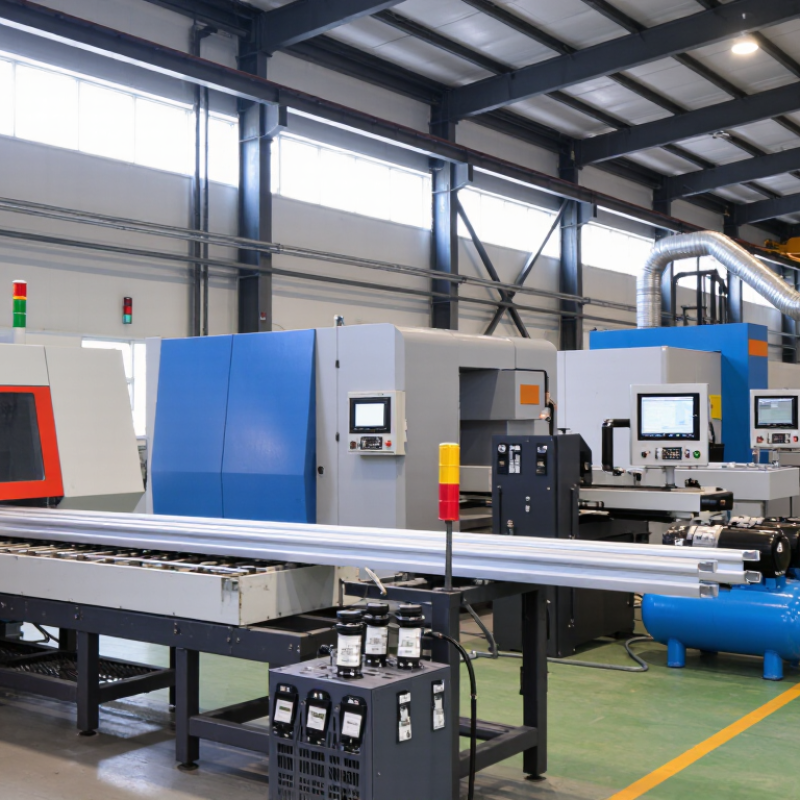
Energy efficiency in profile processing equipment means producing accurate profiles with less electricity, heat, and compressed air. It is not simply a low power rating. A machine using 20 kW may outperform a 12 kW unit if it processes more meters per hour with less scrap. In practical audits, operators should compare energy use per finished meter. This figure connects factory costs with real production results.
Efficient equipment controls motors, heaters, cutting systems, and standby functions according to actual demand. Variable-speed drives can reduce unnecessary motor consumption during slower operations. Accurate temperature control also prevents repeated heating cycles. Sharp tools and clean guides matter more than many operators expect. Friction creates heat, noise, and extra load. Small losses accumulate.
Tips: Record kWh, finished meters, scrap, and idle time each shift. Check compressed-air leaks near fittings and valves. Keep rollers aligned and cutting tools properly maintained. Use automatic standby settings during pauses. Do not trust one impressive test result. Measure performance across different materials and production speeds. A perfect energy number is unrealistic. Conditions change. Operators may also forget short stops, which can distort the data. Review the figures weekly, then adjust settings carefully. Efficiency should protect profile accuracy, surface quality, and worker control, not chase low energy use alone.
What Is Energy Efficiency in Profile Processing Equipment?
Specific energy consumption is measured in kilowatt-hours per tonne of finished profile. Lower values indicate better energy efficiency. In practice, energy use can be reduced through optimized heating zones, variable-frequency drives, shorter idle periods, heat recovery, and regular equipment maintenance.
Energy consumption in profile-processing equipment is shaped by its drive system, not only its rated power. The U.S. Department of Energy reports that motor-driven systems use about 70% of industrial electricity. In Chinese profile-processing lines, oversized motors often run below efficient load ranges. Variable-speed drives can match spindle, saw, and feeder speed to actual demand. This matters during short cuts and frequent stops. Servo motors with automatic standby modes also reduce idle losses. Small savings accumulate.
Compressed air deserves close attention. The International Energy Agency identifies compressed-air systems as major industrial efficiency opportunities. Leaking hoses, excessive pressure, and poor filtration force compressors to run longer. A pressure sensor and local air reservoir can reduce this waste. Regenerative braking may recover energy from rapidly decelerating axes. However, recovery depends on duty cycles. It is not automatically worthwhile. The machine must record real operating data.
Thermal design also affects electricity use. Efficient control cabinets, clean cooling channels, and correctly sized fans reduce heat-related power demand. Cutting tools influence energy indirectly. A worn blade increases feed resistance and processing time. In practical audits, the clearest gains often come from idle control, load matching, and maintenance records. ISO 50001 energy-management guidance supports continuous measurement rather than one-time estimates. Yet measurements can be imperfect. Operators may bypass standby settings during rush orders. That behavior should be monitored, not blamed. A useful dashboard compares kilowatt-hours per finished profile, cycle time, and scrap rate.
Energy reduction begins with measured operating data, not guesswork. Track electricity use per kilogram, melt temperature, line speed, cooling load, and scrap rate. A simple hourly record can reveal hidden losses during start-up and changeover. Keep barrel zones stable, because repeated temperature corrections often waste power and disturb profile quality.
Match screw speed with haul-off speed and die pressure. Running faster is not always more efficient. Excessive speed can increase motor load, surface defects, and rejected profiles. Set the lowest stable temperature that maintains smooth flow. Adjust cooling water according to actual heat removal needs. Overcooling consumes energy and may create internal stress.
Production flow also matters. Group similar materials, colors, and profile sizes when scheduling orders. This reduces purging, warm-up time, and idle operation. Keep feeding, extrusion, cooling, cutting, and packing balanced. One slow station can force the entire line to run inefficiently. Short stops matter.
A practical trial should change one parameter at a time. Record the result for several hours, then compare energy use and product consistency. Some settings look efficient but increase waste later. That trade-off deserves attention. Operators should review alarms, standby periods, and air leaks weekly. Small losses often remain invisible until measured.
Preventive maintenance can lower power waste in profile processing equipment. It keeps motors, heaters, cutting units, and feeding systems working near their designed conditions.
A practical inspection begins with sound, heat, and vibration. An unusually hot bearing may increase resistance before failure becomes visible. Misaligned rollers can force the motor to work harder. Dirty filters restrict airflow, while loose belts cause slipping and repeated acceleration. Small leaks matter. Technicians should check compressed-air lines during quiet production periods and record pressure readings.
Cleaning also affects energy use. Metal dust around sensors, vents, and control cabinets can reduce cooling efficiency. A simple cleaning schedule prevents fans from running continuously. Lubrication must follow equipment requirements, because excessive grease can create drag instead of reducing it. This detail is often overlooked.
Power meters can compare energy use before and after maintenance. The figures may expose problems that visual checks miss. In my experience, teams sometimes replace parts too quickly, while a worn coupling or poor alignment causes the real waste. Maintenance is not magic. Some repairs produce modest savings, and that result still deserves honest documentation. A reliable log should include inspection dates, measured power, replaced components, and unusual operating conditions. These records help supervisors plan service during low-demand periods and prevent emergency stops that consume extra energy.
Reducing energy in profile processing equipment starts with measuring long-term performance, not guessing from a monthly electricity bill. The IEA’s Energy Efficiency 2023 report identifies industry as responsible for about 37% of global final energy consumption. That scale makes small operational losses important.
Track electricity in kWh per processed tonne, metre, or finished profile. Record output, scrap rate, line speed, temperature, and idle hours beside each reading. Use a 12-month baseline to capture seasonal demand and changing product sizes. Measure reality. Smart meters should separate heating, drives, cooling, compressed air, and standby loads. The U.S. Department of Energy reports that motor-driven systems consume a major share of industrial electricity, so drive loading deserves daily attention. A machine drawing power during a 40-minute changeover is not producing value.
Compare the baseline with weekly performance using normalized data. A higher kWh-per-tonne result may reflect smaller profiles, frequent starts, or poor material yield. Investigate before replacing equipment. ISO 50001 guidance supports energy performance indicators and documented improvement plans, but paperwork alone cannot reduce consumption. Operators should test one change at a time, such as lowering standby temperature or repairing air leaks, then verify the result for several weeks. The U.S. Department of Energy notes that compressed-air systems can lose 20% to 30% of output through leaks in poorly maintained facilities. That estimate may not fit every plant. It still deserves a leak survey. Long-term energy improvement is less dramatic than expected, and often more measurable.
It means producing accurate profiles with less electricity, heat, compressed air, and material waste. Not merely low power.
Yes. A 20 kW machine may outperform a 12 kW unit if it processes more finished metres with less scrap.
Track kilowatt-hours per finished metre, tonne, or profile. Include scrap and idle time for a realistic comparison.
Record energy use, finished output, scrap rate, line speed, temperature, and idle hours. Short stops are easy to forget.
Variable-speed drives can match motor speed to actual demand. Avoid running motors heavily during slow operations or changeovers.
Misaligned rollers, dirty guides, and dull cutting tools create friction. Friction produces heat, noise, extra load, and uneven surfaces.
Inspect fittings, valves, and hoses for leaks. A quiet leak still wastes energy. A leak survey is worthwhile.
Build a 12-month baseline with normalized data. Compare weekly results while considering profile size, material yield, starts, and seasonal demand.
No. Test one adjustment at a time, such as lowering standby temperature. Check accuracy, surface quality, output, and energy for several weeks.
No. Conditions change, and measurements can be imperfect. Efficiency should protect production quality and operator control, not chase one attractive number.
Improving the energy efficiency of profile processing equipment begins with understanding how much electricity is used during cutting, drilling, milling, shaping, and material handling. Key factors include motor efficiency, hydraulic and pneumatic systems, standby power, control accuracy, and the overall condition of the machine. To understand how to reduce energy consumption of profile processing equipment, manufacturers should select appropriately sized equipment, avoid unnecessary overspeed operation, optimize cutting sequences, reduce idle time, and organize production flow to minimize repeated starts and stops.
Preventive maintenance also plays an important role in controlling power waste. Regular inspection of motors, bearings, belts, filters, lubrication systems, and electrical connections helps prevent friction, overload, and unstable operation. Long-term energy performance should be measured through indicators such as energy use per processed profile, operating hours, output, and downtime. By recording this data, setting realistic efficiency targets, and reviewing performance regularly, factories can identify waste, improve productivity, and lower operating costs without compromising processing quality.
