Zhixing Machine Zhixing Machine

How to Ensure High Processing Quality in Aluminum Profile Production?

Time:2026-06-07 Author:Liam
0%

Ensuring high processing quality in aluminum profile production is paramount for manufacturers. Expert John Smith, a recognized authority in the industry, emphasizes, "Precision and consistency are critical in ensuring quality." His insight underscores the importance of effective methods to control processing parameters.

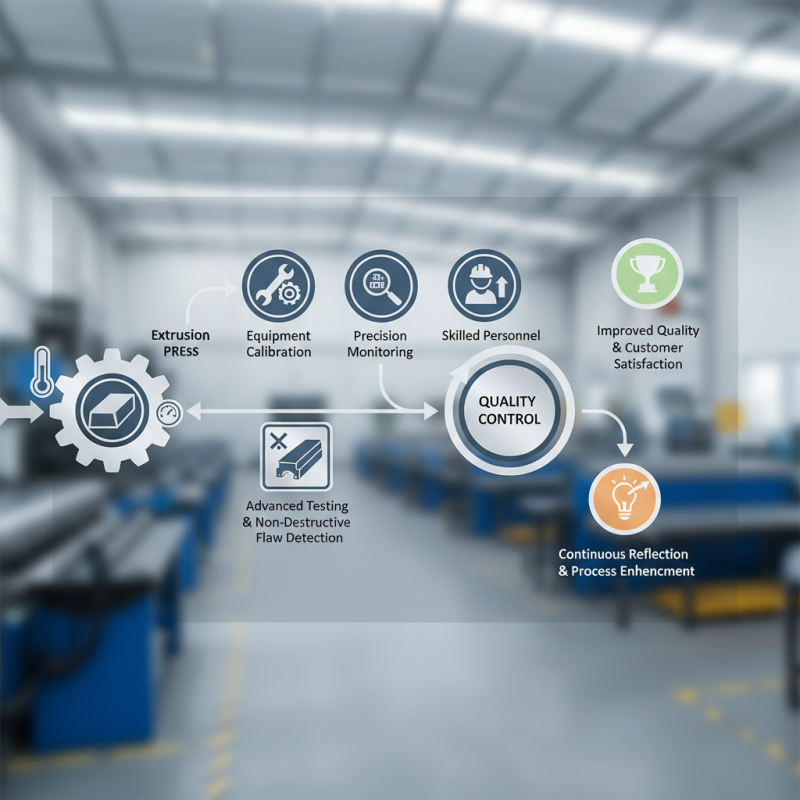
To control processing quality in aluminum profile production, manufacturers must adopt rigorous standards. This includes precise temperature and pressure monitoring during extrusion. The equipment must be routinely calibrated to prevent inconsistencies that could affect the final product. Additionally, skilled personnel play a vital role in identifying potential issues early in the process.

Quality control also involves using advanced testing methods. Non-destructive testing helps detect flaws without damaging the profiles. Manufacturers should continually assess these practices to improve quality. In the quest for perfection, it's vital to acknowledge areas needing enhancement. Constant reflection on processes leads to better outcomes, ultimately satisfying customer demands in a competitive market.
How to Ensure High Processing Quality in Aluminum Profile Production?

Key Factors Influencing Aluminum Profile Processing Quality

The quality of aluminum profiles is influenced by several key factors. One of the most significant is the alloy composition. Different alloys provide varying strength and corrosion resistance. According to industry reports, the right alloy can improve oxidation resistance by up to 30%. Understanding alloy properties is crucial for ensuring high processing quality.

Another factor is the extrusion process itself. Precision in temperature control and extrusion speed can greatly affect the final product. Reports indicate that variations in temperature of just a few degrees can lead to defects. For instance, improper cooling can create warping.

Tip: Regularly calibrate the extrusion equipment. This reduces the risk of inconsistencies.

Surface treatment also plays a role in processing quality. Anodizing enhances durability and appearance, but improper application can lead to peeling. Industry standards suggest that a film thickness of at least 10 microns is often ideal. Professionals must ensure that surface treatments meet these guidelines to maintain high-quality outputs.

Tip: Perform routine quality checks on sample products. This helps identify issues early.

Essential Equipment for High-Quality Aluminum Profile Production

When producing high-quality aluminum profiles, essential equipment plays a critical role. The right machinery ensures precision and efficiency. Key components include extrusion presses, cooling systems, and cutting tools. Each piece of equipment must work in harmony to achieve the desired results.

In extrusion presses, proper maintenance is vital. Regular checks help prevent failures that can lead to defects. Operators should be trained to ensure optimal settings. Each profile requires specific adjustments. If settings are not ideal, defects may occur. This can lead to wasted materials and time.

Cooling systems also influence quality. Uniform cooling rates are essential. Inconsistent temperatures can cause warping or distortion. It is crucial to monitor the cooling process closely. Operators should assess if their cooling equipment is functioning correctly and address issues immediately.

Tips: Invest in high-quality components for your machinery. Regular training for operators can enhance skills. Keep a maintenance log to track equipment performance. Review processes to identify potential inefficiencies and rectify them.

Best Practices for Raw Material Selection in Aluminum Profiles

In aluminum profile production, the selection of raw materials significantly influences processing quality. According to recent industry reports, up to 60% of defects in aluminum profiles stem from inadequate raw material choices. This statistic highlights the necessity for precise evaluation during the sourcing phase. Understanding the alloying elements in aluminum, such as silicon and magnesium, can markedly improve strength and corrosion resistance. Each application demands specific alloy properties, dictating the need for meticulous selection.

Tips: Prioritize grades with established performance records. Consider common usage and environmental conditions.

Additionally, sourcing high-quality aluminum from reputable suppliers may minimize contamination risks. Contaminated raw materials can lead to structural weaknesses. Industry data indicates that profiles manufactured using premium-grade aluminum show a 25% reduction in failure rates. Regular audits of suppliers are crucial. They ensure materials meet specifications and are consistent.

Tips: Develop relationships with reliable suppliers. Regularly assess the material properties to confirm compliance.

Ultimately, the journey to high processing quality starts with raw material selection. Diligent scrutiny at this stage can yield long-term benefits, enhancing both performance and customer satisfaction. Always maintain a critical eye on your material sources for continuous improvement.

Quality Control Techniques During Aluminum Profile Manufacturing

Quality control is essential in aluminum profile manufacturing. It ensures that products meet specified standards and perform reliably. The process begins with raw material inspection. Examining the composition of aluminum alloys can prevent future issues. Imperfections in the alloy can lead to weak structures. Every batch should undergo rigorous testing to identify any inconsistencies before production begins.

During manufacturing, various techniques help maintain quality. Temperature monitoring in extrusion is critical. If the temperature deviates too much, it can compromise the material properties. Visual inspections at different stages can also catch defects, such as surface blemishes or misalignments. Operators should be trained to recognize these issues early. Digital tools can assist with real-time monitoring, but human expertise remains crucial.

After production, rigorous testing continues. Dimensional accuracy checks are necessary to ensure proper fits. Conducting tensile strength tests validates that profiles can handle expected loads. It is common to find areas for improvement, such as refining processes or investing in better tools. The goal is continuous enhancement, aiming for higher quality profiles and more efficient production. Adapting methods based on feedback is key to long-term success.

Training and Development for Workforce in Aluminum Processing

Training and development are crucial in aluminum processing. A skilled workforce enhances product quality and efficiency. According to recent industry reports, companies investing in training see a 20% increase in productivity. This statistic highlights the need for ongoing education in manufacturing practices.

In aluminum profile production, workers must understand equipment and techniques. Training programs should incorporate hands-on experience and theoretical knowledge. This approach leads to fewer errors and higher processing quality. Despite the benefits, many companies still overlook workforce development.

Additionally, the industry faces challenges such as skill shortages. Statistics show that 30% of positions remain unfilled due to a lack of qualified candidates. This gap can hinder production quality. Investing in workforce training can mitigate these issues. Companies should constantly assess their training programs and adapt to changing technologies. This continuous improvement is essential for maintaining high standards in aluminum processing.

FAQS

: Why is equipment maintenance important in aluminum profile production?

: Regular maintenance prevents failures that can lead to defects, saving time and materials.

How can temperature affect aluminum quality during production?

Incorrect temperatures can compromise material properties, leading to weak structures and dimensional inaccuracies.

What should be done to ensure cooling systems function correctly?

Operators need to monitor temperatures closely and address any issues immediately to prevent warping.

How significant is raw material selection in the production process?

Poor raw material choices cause up to 60% of defects, showing the need for careful evaluation.

How can supplier audits improve raw material quality?

Regular audits ensure materials meet specifications and reduce the risk of structural weaknesses.

What is a key benefit of sourcing premium-grade aluminum?

Using high-quality aluminum can reduce failure rates by up to 25%, enhancing product reliability.

How can operators identify defects during manufacturing?

Training is crucial for recognizing surface blemishes and misalignments early in the process.

What kind of testing should be performed after production?

Dimensional accuracy checks and tensile strength tests are vital to confirm product reliability.

How do digital tools aid in quality control?

Digital tools assist with real-time monitoring, but human expertise remains essential for detecting issues.

Why is continuous improvement important in aluminum production?

Adapting processes based on feedback can lead to higher quality products and more efficient production methods.

Conclusion

In order to achieve high processing quality in aluminum profile production, it is crucial to understand the key factors that influence this quality, such as temperature control, material consistency, and precision in machining. Essential equipment plays a vital role, as advanced machinery ensures that the profiles meet specified tolerances and surface finishes. Furthermore, selecting high-quality raw materials is fundamental; this includes assessing the purity and properties of the aluminum alloy used.

Moreover, implementing effective quality control techniques throughout the manufacturing process helps identify and rectify defects early on. Regular inspections and testing enhance reliability and maintain standards. Finally, investing in workforce training and development equips employees with the necessary skills to operate sophisticated machinery and adhere to best practices. Overall, knowing how to control processing quality in aluminum profile production involves a comprehensive approach that encompasses equipment, material selection, quality control, and workforce competency.

Liam

Liam

Liam is a dedicated marketing professional with a profound expertise in the industry, where he excels at highlighting the unique advantages of our core products. With a keen understanding of market trends and consumer needs, Liam frequently updates our company’s professional blog, providing......