Zhixing Machine Zhixing Machine

How to Fix Common Issues in Window Door Making Machines?

Time:2026-08-24 Author:Sophia
0%

When operating window door making machines, common breakdowns can disrupt production. Understanding how to solve common breakdowns in window door making machines is essential for maintaining efficiency. Many manufacturers face challenges that stem from wear and tear, improper adjustments, or lack of maintenance. Their impact can be significant, leading to costly delays.

Machinery failures often stem from overlooked details. Regular inspection and preventive maintenance can bridge the gap. Yet, even with care, issues can still arise. Operators should recognize the signs of trouble early. Noise changes or unexpected halts can signal deeper problems. Addressing these promptly can save both time and money.

Efficient troubleshooting relies on expertise. Knowledge of specific machine models and their quirks enhances repair speed. It is crucial to document experiences and solutions. Evaluating these past incidents can guide future repairs. Despite the complexities, mastering the nuances of window door making machines can lead to smoother operations and less frustration on the shop floor.
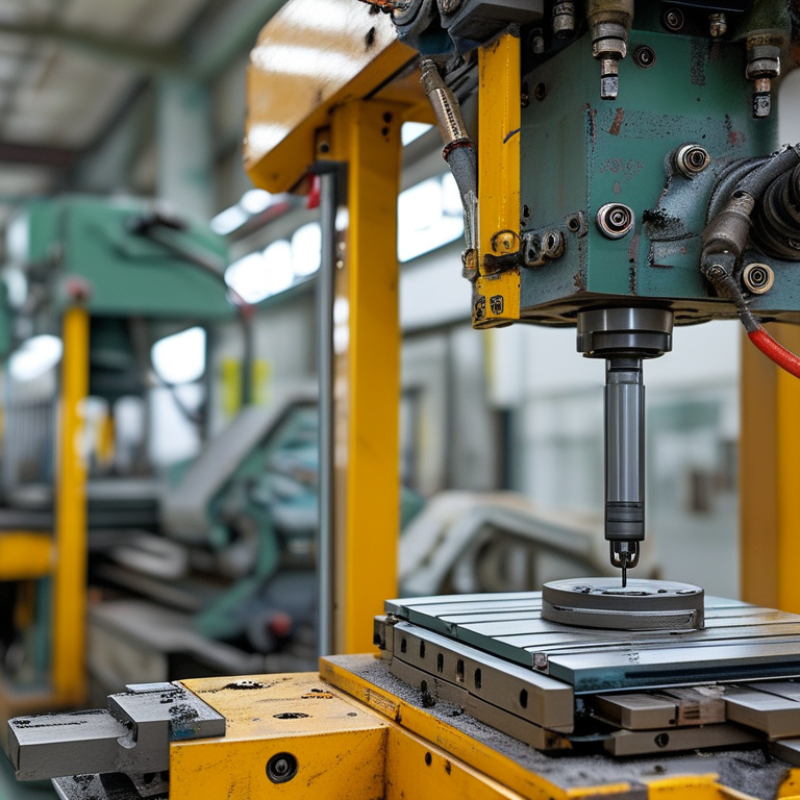
How to Fix Common Issues in Window Door Making Machines?

Identifying Common Problems in Window Door Making Machines

When working with window door making machines, several common issues may arise. Operators often report problems with alignment during the cutting process. If the materials are not correctly aligned, the final product may be uneven. This often leads to increased waste and additional costs. Regularly checking the alignment can prevent these setbacks.

Another frequent problem is inconsistent pressure during molding. Inadequate pressure can result in incomplete molds, leaving weaknesses in the final structure. Operators should monitor pressure levels closely. If fluctuations occur, it may point to underlying mechanical issues that require attention. Visual inspections can also help identify worn components that could lead to irregularities.

Additionally, software malfunctions may be a challenge. In some instances, the machine's programming may lead to unexpected outcomes, such as wrong dimensions. Keeping software updated is essential, but so is understanding the machine's manual. Familiarity with the settings can save time and hassle later on. Mistakes can happen, and reflecting on operational techniques can lead to improved efficiency.

Troubleshooting Mechanical Failures in Window Door Making Equipment

Mechanical failures in window door making equipment can lead to significant production delays. Understanding common issues will enhance your troubleshooting skills. Start by examining the power supply. An inconsistent power source can lead to malfunctions. Always ensure the connections are secure.

Next, check for any unusual noises. These can indicate wear and tear in components. Bearings and motors often require lubrication. Neglecting this can lead to serious issues. Inspect the alignment of moving parts, as misalignment can cause strain. Regular maintenance is essential but often overlooked.

It's crucial to keep a log of all maintenance activities. This will help identify patterns in mechanical failures. Regular audits of the machinery can uncover potential problems. Operators should be trained to recognize early signs of wear. Noting these details can prevent larger, more costly repairs.

Addressing Electrical Issues in Window Door Production Machines

Electrical issues in window door production machines can lead to significant downtime and financial loss. Reports from the Industry Association indicate that nearly 30% of machine failures are linked to electrical malfunctions. These failures can stem from various factors, including poor wiring, moisture intrusion, or faulty electronic components. Regular inspections and maintenance protocols are essential but often neglected.

Faulty wiring connections can create short circuits, resulting in hazardous situations. Moisture, especially in humid environments, can corrode connections and disrupt electrical flows. Unfortunately, many manufacturers overlook the importance of monitoring humidity levels in their facilities. The production efficiency of window door machines can drop by 25% due to electrical issues, emphasizing the necessity of proactive measures.

Further complicating matters, the integration of new technologies sometimes introduces compatibility challenges. Legacy machines may not work well with the latest components, causing unexpected failures. Training technicians to understand these nuances is critical yet frequently undervalued. Regular workshops and hands-on training sessions could bridge this gap, fostering a culture of continuous improvement.

Optimizing Software for Efficient Operation of Door Making Machines

Optimizing software for door making machines is crucial for efficient operation. Well-designed software can streamline the machining process, reducing errors and boosting productivity. However, many operators overlook the importance of software updates and configuration settings. Ensuring the software is properly calibrated can prevent significant issues down the line.

Regularly checking for updates can enhance performance. Often, manufacturers release patches that fix bugs or improve functionality. Yet, many users hesitate to implement these updates consistently. This reluctance can stem from fear of disrupting established workflows. Nonetheless, ignoring updates can lead to software becoming outdated and less reliable.

Training staff on the software is equally vital. Employees need to understand all features fully. Insufficient training may result in underutilizing the software's capabilities. Moreover, some operators might still rely on workarounds for common issues, which can introduce inefficiencies. Investing in ongoing training fosters a more skilled workforce, capable of addressing software-related challenges effectively.

Preventive Maintenance Tips for Window Door Making Machines

Preventive maintenance is crucial for window door making machines. Regular checks can prevent costly breakdowns. According to a report by the Industrial Maintenance Association, improper maintenance results in a 50% increase in machine downtime. This loss significantly affects production and profit margins.

Inspecting vital components like cutting blades and rollers can enhance efficiency. Wear and tear can lead to inaccuracies in dimensions, causing financial losses. Keeping a maintenance log can help identify trends and potential issues before they escalate. Consideration of environmental factors, such as humidity, also plays a key role in machine performance.

Vibration analysis stands out as a valuable method for assessing machine health. A study by the American Society of Mechanical Engineers suggests that understanding vibration patterns can predict failures up to two months in advance. Regular lubrication of moving parts is equally important to minimize friction and overheating. Without vigilant care, machines may operate inefficiently, impacting overall production quality.

FAQS

: What is a common problem with window door making machines?

: Operators often face alignment issues during the cutting process. Misalignment leads to uneven products.

How can I prevent waste in production?

Regularly check the alignment of materials. Proper alignment reduces waste and minimizes additional costs.

What issue can arise from inconsistent pressure during molding?

Inadequate pressure may lead to incomplete molds, creating weaknesses in the final structure.

What should operators monitor during the molding process?

Monitor pressure levels closely. Fluctuations may indicate mechanical issues that need attention.

How can software malfunctions affect production?

Software errors may result in wrong dimensions, affecting product quality and increasing rework.

Why is it important to keep software updated?

Regular updates improve performance and fix bugs. Ignoring updates can lead to outdated and unreliable software.

How can staff training impact machine operation?

Proper training helps staff understand software features. Lack of training may lead to underutilization and inefficiencies.

What can happen if operators use workarounds?

Relying on workarounds can introduce inefficiencies and may cause further complications in production.

How can familiarity with the machine's manual help?

Understanding the manual helps in troubleshooting and saves time when issues arise.

What reflection is needed for improved efficiency?

Operators should periodically reflect on their techniques. Mistakes provide learning opportunities for better operations.

Conclusion

This article provides a comprehensive guide on how to solve common breakdowns in window door making machines by addressing various issues that may arise during their operation. It begins with identifying common problems that operators encounter in these machines, which can range from mechanical failures to malfunctions.

Subsequently, the article delves into troubleshooting mechanical failures, focusing on key components that often require attention. It also covers electrical issues that can disrupt functionality, and offers insights into optimizing software for better operational efficiency. Additionally, the article emphasizes the importance of preventive maintenance, providing practical tips to ensure the longevity and reliability of window door making machines. By following these guidelines, operators can enhance performance and reduce downtime in their production processes.

Sophia

Sophia

Sophia is a dedicated marketing professional with an exceptional depth of knowledge about her company's products and services. With a keen understanding of market trends and customer needs, she crafts insightful blog posts that not only inform but also engage readers, enriching the company’s online......