 Zhixing Machine
Zhixing Machine
Zhixing Machine
The processing accuracy of profile machining machines is crucial in manufacturing. Numerous factors play a role in this accuracy. Reports from industry experts highlight the importance of understanding these elements to optimize performance. According to a recent study by Dr. Emily Zhang, a renowned expert in machining technologies, "Precision in machining relies on a holistic approach considering multiple influencing factors."
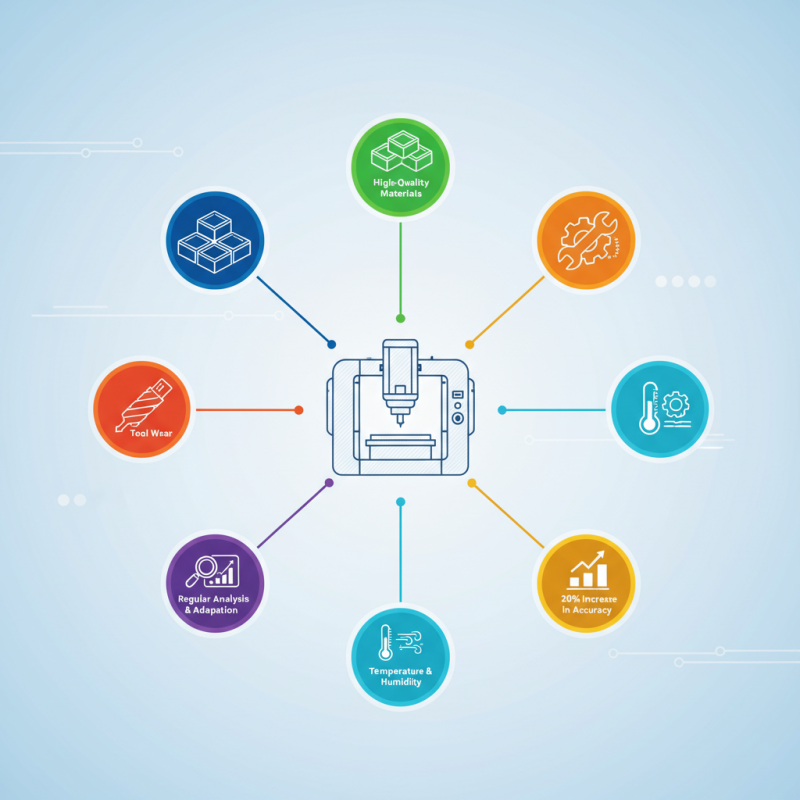
What factors affect processing accuracy of profile machining machines? This question is fundamental for engineers seeking to improve their operations. High-quality materials, machine calibration, and tool wear all contribute significantly to the final output's precision. Furthermore, external conditions like temperature and humidity can impact measurements.
Data from the Machinery Manufacturers Association shows that manufacturers who focus on these determinants often report a 20% increase in accuracy. However, many still overlook vital aspects. It is essential to analyze regularly and adapt to new insights. Understanding these factors can dramatically affect productivity and quality.
When it comes to profile machining machines, several design features significantly impact their accuracy. Precision in the structure is paramount. A robust frame minimizes vibrations during operations, leading to precise cuts. The choice of materials also matters. Stiffer materials tend to hold tolerances better, providing consistent performance.
The positioning system deserves attention as well. High-resolution encoders can enhance accuracy by ensuring that movements are pinpoint. However, these systems can be intricate. If not calibrated correctly, they can introduce errors. Regular maintenance and checks are necessary to avoid issues.
Cooling systems play a crucial role in the machining process. They help to stabilize temperatures and prevent thermal expansion, which can affect the machining process. Neglecting this aspect can lead to inaccuracies. A comprehensive design approach should address all these factors, ensuring optimal machining outcomes.
| Factor | Description | Impact Level (1-5) |
|---|---|---|
| Machine Rigidity | The stiffness of the machine structure affects precision during operation. | 5 |
| Tool Quality | Higher quality tools increase durability and precision in cuts. | 4 |
| Software Calibration | Proper calibration of software controls impacts machine accuracy. | 5 |
| Environmental Conditions | Temperature and humidity can affect material properties and measurements. | 3 |
| Workpiece Setup | How well the workpiece is set up can greatly enhance accuracy. | 4 |
| Feed Rate | The speed at which the tool moves can impact the finish and accuracy. | 3 |
| Maintenance Schedule | Regular maintenance keeps machines in optimal working condition. | 5 |
: Tool material can reduce machining errors by up to 25%. Durable options provide cleaner cuts and improved accuracy.
Optimized cutting edges reduce vibrations, enhancing surface finish and precision. Complex geometries may increase costs.
Choosing longevity over precision can increase scrap rates. Finding the right balance is crucial and often challenging.
Parameters like cutting speed, feed rate, and depth of cut significantly affect accuracy. Managing them is essential for success.
A feed rate around 200 mm/min offers the best balance between speed and precision for profile machining tasks.
Deeper cuts can generate more vibrations, leading to reduced accuracy. Even a 2 mm increase can decrease precision by 15%.
Regular calibration and adjustment of parameters help maintain precision. Continuous evaluation prevents costly mistakes.
Excessive speeds can lead to premature tool failure. Balancing speed with tool wear is critical for optimal performance.
No, it's challenging to find the right combination. Ongoing evaluation and adaptation are often necessary as technology changes.
More complex geometries can increase manufacturing costs and lead times. This is an important consideration for manufacturers.
The processing accuracy of profile machining machines is influenced by several critical factors. Key design features, such as machine rigidity and component alignment, play a significant role in maintaining precision during operation. Additionally, the choice of tool material and its geometry can significantly affect machining precision, as they determine the effective cutting performance and wear resistance.
Moreover, proper machine calibration is essential for enhancing processing accuracy, ensuring that the machinery operates within specified tolerances. Cutting parameters, including speed, feed rate, and depth of cut, directly impact the machining performance and therefore should be optimized for maximum efficiency. Lastly, environmental and setup conditions, like temperature and vibrations, also influence the overall accuracy of profile machining machines. Understanding these factors is crucial when addressing the question, "What factors affect processing accuracy of profile machining machines?
