Zhixing Machine Zhixing Machine

How to Effectively Compare Profile Machinery Manufacturers?

Time:2026-06-25 Author:Charlotte
0%

When exploring "How to compare different manufacturers of profile machinery," industry data highlights the growing demand for high-quality machinery. According to a recent report by MarketsandMarkets, the profile machining market is projected to reach $5.2 billion by 2026. This rapid growth underscores the need for users to critically evaluate various manufacturers.

Selecting the right machinery can significantly impact production efficiency and product quality. Many manufacturers offer diverse options. However, not all machines meet the same standards. Delving into manufacturer reliability and technology is essential for informed decisions. A survey by Equipment Today indicated that nearly 40% of manufacturers reported issues with machinery performance. This statistic emphasizes the necessity for thorough comparisons.

Understanding certifications and customer reviews can also provide insight. Industry experts recommend evaluating service support and warranty options. These factors often reveal how committed a manufacturer is to their clients' success. A thoughtful approach to comparison not only enhances decision-making but can also lead to discovering innovative solutions tailored to specific needs.
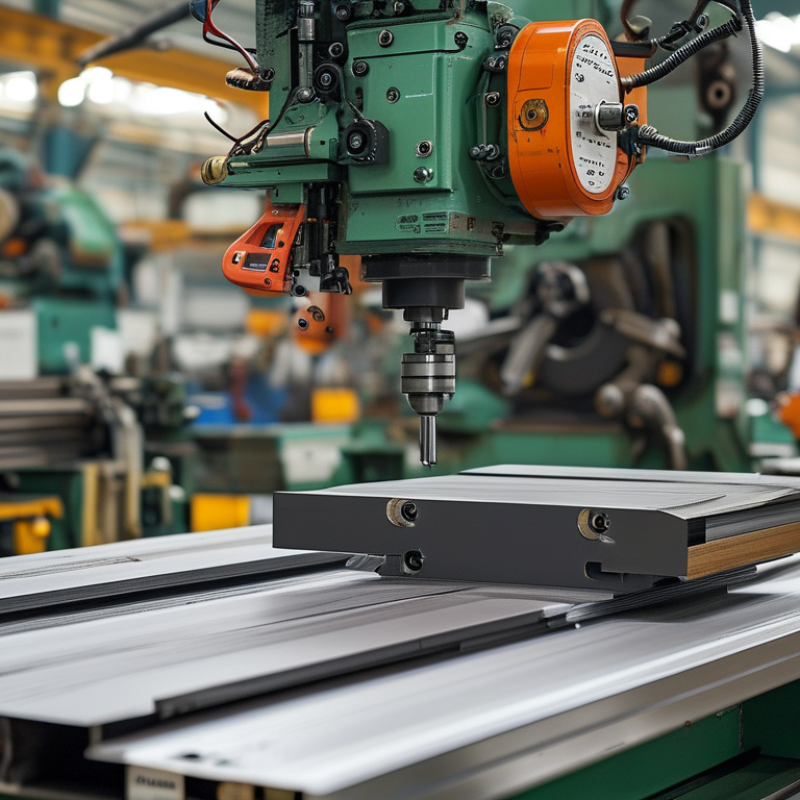
How to Effectively Compare Profile Machinery Manufacturers?

Understanding Different Types of Profile Machinery: An Overview

When exploring profile machinery, understanding its variety is crucial for making informed decisions. Profile machinery encompasses equipment used to shape metal or plastic profiles into specified forms. Different types include extrusion machines, roll formers, and CNC machining centers. Each type serves unique purposes in manufacturing processes.

Recent industry reports indicate that the global profile machinery market will grow at a CAGR of 4.5% between 2023 and 2028. However, many manufacturers struggle to choose the right type of machinery. Depending on the material and design requirements, one may need a specific machine that best fits the application. For instance, extrusion machines are ideal for continuous profiles, while roll formers work better for complex shapes.

Cost is another critical consideration. Not all manufacturers can afford high-end models. A comprehensive analysis of machine specifications and operational costs is vital. Additionally, some manufacturing processes may not fully utilize advanced machinery, leading to inefficiencies. Awareness of these factors promotes better investment in appropriate machinery. Manufacturers should continuously reflect on their needs and the evolving market trends to remain competitive.

How to Effectively Compare Profile Machinery Manufacturers?

Manufacturer Type Machinery Type Production Capacity (Units/Hour) Technology Level Customer Support Rating
Local Manufacturer CNC Profile Cutting Machine 50 Advanced 4.5/5
International Manufacturer Hydraulic Profile Bending Machine 30 High 4.7/5
Regional Supplier Automatic Profile Welding Machine 60 Moderate 4.0/5
Local Manufacturer Profile Extrusion Line 25 Basic 3.8/5
International Manufacturer CNC Profile Milling Machine 40 Advanced 4.6/5

Key Factors to Consider When Comparing Profile Machinery Manufacturers

When comparing profile machinery manufacturers, it's essential to focus on several key factors. Start by assessing the manufacturer’s experience in the industry. Experienced manufacturers often have a proven track record. They understand market demands and have refined their processes over time. This expertise can lead to better product quality and reliability.

Next, consider the technology used in the manufacturing process. Modern machinery should incorporate advanced technology for precision and efficiency. Always ask about the machinery's capabilities, such as speed and customization options. Manufacturers that invest in innovation are likely to offer better solutions for your needs.

Additionally, review the after-sales support provided by the manufacturers. Reliable support can make a big difference. Look for feedback from other customers regarding service responsiveness and maintenance options. If a manufacturer struggles with customer support, it might not be worth the risk.

Evaluate all these factors carefully, and don’t overlook any red flags during your comparison.

Analyzing Technical Specifications: What to Look For in Machinery

When analyzing technical specifications of profile machinery, it's crucial to focus on key metrics that impact performance and reliability. A report by the Machinery Manufacturers Association highlights that around 30% of machinery failures stem from overlooked specifications. Buyers should pay attention to material compatibility and design options. Different materials can significantly affect durability under varying conditions.

Engine power, efficiency ratings, and weight are also vital metrics. For instance, machines with higher energy efficiency can save on operational costs long-term. Studies show that energy-efficient profiles can reduce consumption by up to 25%. Additionally, flexibility in machinery design allows for better adaptation to specific production needs, which can enhance manufacturing productivity.

Regular assessments of machinery specifications contribute to better decision-making. Many manufacturers fail to update their machinery specs to reflect new advancements. Sticking to outdated specifications may lead to inefficiencies. The industry constantly evolves, and staying informed about the latest technologies and materials can greatly influence operational success. Making informed comparisons among manufacturers based on detailed technical specifications is crucial to optimizing machinery investments.

Evaluating Manufacturer Reputation and Customer Reviews

When comparing profile machinery manufacturers, reputation plays a crucial role. A manufacturer’s history provides insight into their reliability. Check their background. Years in business often correlate with expertise and quality.

Customer reviews can be enlightening. Delve into feedback on various platforms. Positive reviews can signify a manufacturer’s strength. However, look for negative reviews as well. They highlight potential flaws and weaknesses.

Tips:

  • Analyze multiple sources for reviews.
  • Focus on recent feedback for relevance.
  • Trust your instincts when something feels off.

Consider the context of reviews. A few complaints among many praises may not be a red flag. Yet, consistent issues across reviews warrant further investigation. Manufacturers should improve based on feedback. That's essential for their growth.

Understanding a manufacturer’s standing in the industry adds depth to your comparison. Seek out testimonials from users who have had long-term experiences. Their insights could illuminate aspects you might overlook.

Cost vs. Quality: Making Informed Financial Decisions in Machinery Purchase

When comparing profile machinery manufacturers, balancing cost and quality is crucial. A recent industry report indicates that 70% of companies prioritize quality even if it means higher expenses. Investing in high-quality machinery can reduce maintenance costs and increase productivity over time. However, many buyers still focus on upfront savings, which can be misleading.

Tip: Always analyze the total cost of ownership. Cheap machinery might seem appealing, but consider long-term operational costs and potential downtimes.

Research indicates that quality machinery can boost operational efficiency by 30%. This improvement often offsets the initial investment. A quick comparison of warranty options can also reveal the reliability of equipment. For instance, a manufacturer offering a five-year warranty typically has more faith in their product.

Tip: Look beyond the sticker price. Engage with current users to find out their experiences and challenges. Weighing diverse opinions can illuminate the pitfalls that cost-focused buyers might overlook.

FAQS

: What are key metrics in machinery specifications?

: Focus on material compatibility, engine power, efficiency ratings, and weight. These factors influence durability and performance.

Why is energy efficiency important?

Energy-efficient machines can save operational costs in the long run. They may reduce consumption by up to 25%.

How often should machinery specifications be assessed?

Regular assessments are crucial. Many manufacturers overlook updates, which can lead to inefficiencies and outdated practices.

How can reputation help in comparing manufacturers?

A manufacturer’s history often reflects their reliability. Longer experience usually correlates with better quality.

Why should customer reviews be analyzed?

Reviews provide insights into a manufacturer's strengths and weaknesses. Look for patterns in feedback, both positive and negative.

What should buyers consider about cost vs. quality?

Balancing cost and quality is essential. Investing in quality machinery often reduces long-term maintenance and boosts productivity.

What does total cost of ownership entail?

Considering long-term operational costs and downtimes is crucial, not just initial purchase price.

How can warranty options indicate machine reliability?

A longer warranty, like five years, usually suggests the manufacturer’s confidence in their product.

How can current users’ experiences inform decisions?

Engaging with users can reveal challenges and benefits of machinery that initial research might miss.

What pitfalls might cost-focused buyers overlook?

Focusing solely on low prices can lead to unexpected downtimes and higher operational costs down the line.

Conclusion

When looking to understand "How to compare different manufacturers of profile machinery," it's essential to start with an overview of the various types of profile machinery available. Different machines come with unique functionalities, which can significantly impact their performance based on specific production needs. To effectively compare manufacturers, it’s vital to consider key factors such as technical specifications, including dimensions, speed, and energy consumption, as these details can influence production efficiency.

Additionally, assessing the reputation of manufacturers through customer reviews and industry feedback is crucial in determining reliability and post-purchase support. Furthermore, a balanced analysis of cost versus quality will help in making informed financial decisions, ensuring that the chosen machinery not only fits the budget but also meets quality benchmarks. By evaluating these aspects, buyers can confidently navigate the process of selecting the right profile machinery manufacturer.

Charlotte

Charlotte

Charlotte is a seasoned marketing professional with a deep understanding of the company's portfolio and a passion for elevating its presence in the market. With a keen eye for detail and a commitment to excellence, she ensures that our professional blog is regularly updated with insightful articles......