Zhixing Machine
CNC technology plays a vital role in enhancing profile processing efficiency. Experts in the field, like Dr. Sandra Mills, emphasize its significance. She once stated, "CNC technology reduces waste and improves precision in profile manufacturing." This insight highlights how CNC machines streamline operations and minimize errors.
Utilizing CNC technology transforms traditional methods. It allows for faster prototyping and production, which is crucial in industries like aerospace and automotive. By employing computer software, these machines execute complex designs with high accuracy. The result is a drastic reduction in production time and costs.
However, the transition to CNC systems isn't perfect. Some manufacturers struggle with the initial investment and training. It's vital to assess the long-term benefits versus these challenges. Reflecting on how does CNC technology improve profile processing efficiency is essential. Balancing costs and efficiency will determine its success in any production process.
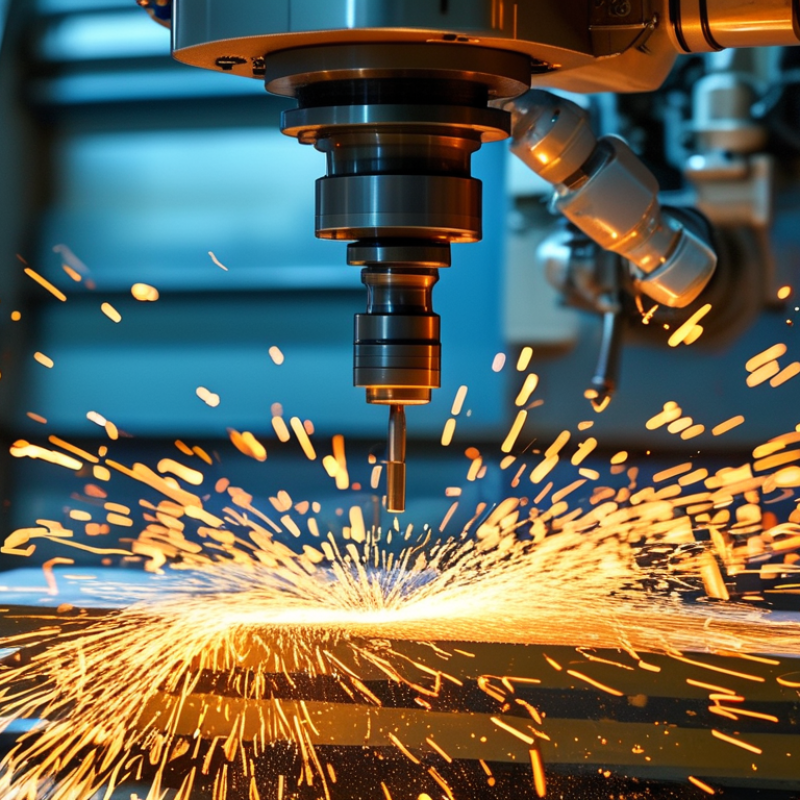
CNC technology is revolutionizing profile processing across various industries. This technology automates the cutting and shaping of materials, enhancing precision and speed.
A report from Markets and Markets indicates that the global CNC machine market is projected to reach USD 117.72 billion by 2026, growing at a CAGR of 6.4%.
In profile processing, CNC tools provide consistent cut quality. They reduce human error and material wastage. Research shows that companies utilizing CNC technology report a 30% increase in productivity. This efficiency is critical as businesses strive to meet growing demands without compromising quality. However, there's a learning curve with CNC programming. Operators need training, and initial setup can be time-consuming.
Data from the International Journal of Advanced Manufacturing Technology highlights that while CNC systems improve throughput, they also require regular maintenance. Neglecting this aspect can lead to unexpected downtimes. Yet, the long-term benefits of CNC in profile processing often outweigh these challenges. Embracing this technology can lead to significant operational enhancements.
Automation significantly enhances efficiency in profile processing. By integrating CNC technology, companies can streamline production. Research shows that automated systems reduce operational errors by up to 30%. This drop in mistakes boosts overall productivity. Automation also minimizes manual labor, allowing skilled workers to focus on higher-value tasks.
Furthermore, automated CNC machines can operate continuously. This results in higher output levels. According to industry data, automation can increase production rates by as much as 50%. However, the initial investment in technology can be a barrier for many businesses. Not every company can quickly adapt to these advanced systems.
It's essential to recognize that while automation brings numerous advantages, it requires ongoing maintenance and skilled personnel for optimal performance. Companies must invest in training to ensure successful integration. Balancing the benefits of automation with the challenges it presents is critical for sustainable growth in the profile processing sector.
CNC technology transforms profile processing in manufacturing. This innovation greatly enhances efficiency and productivity. According to a report by the International Federation of Robotics, CNC machines can increase output by up to 30%. This leads to significant reductions in production time.
One major advantage of CNC technology is precision. It offers repeatability within +/- 0.01 mm, ensuring consistent quality. This level of accuracy helps reduce material waste. A study from the National Institute of Standards and Technology indicated that companies using CNC machines saw up to a 20% reduction in scrap rates. This not only cuts costs but also promotes sustainable practices in production.
Moreover, CNC technology supports complex designs. Traditional methods often struggle with intricate profiles. CNC machines can easily adapt to various specifications with minimal tooling changes. This agility is crucial in today's fast-paced market. However, integrating such advanced technology can require significant initial investment and skilled personnel. Despite challenges, the long-term benefits often outweigh these hurdles. Companies must continually assess their capabilities to maximize CNC effectiveness.
CNC technology has transformed profile processing, making it far more efficient than traditional manual methods. Manual processing often relies heavily on the skill of the worker. Human error can lead to inconsistencies in dimensions and finishes. This can result in wasted materials and increased costs. In contrast, CNC machines operate with high precision. They follow programmed instructions, ensuring that each cut is identical to the last.
Comparatively, while manual processing offers some flexibility in adapting to changes, it lacks the speed of CNC operations. A skilled worker might take considerable time to create a single profile. In a busy production environment, this time consumption can inhibit overall output. CNC machines can quickly switch between different profiles, significantly boosting production speed. However, it's essential to recognize that programming these machines requires expertise. Improper setup can lead to errors, which may not be evident until the final product emerges.
The use of CNC technology invites a re-evaluation of traditional techniques. There’s a learning curve for operators transitioning from manual methods to CNC programming. They must adapt to new workflows. Additionally, the initial investment in CNC machinery can be daunting for some businesses. While the productivity gains are evident, the upfront costs can be a barrier. Balancing these factors is crucial in determining the best approach for profile processing.
CNC technology is transforming profile processing efficiency significantly. Future trends suggest increased automation and integration with AI. Reports indicate that industry efficiency could improve by 30% with these advancements. Automation reduces manual intervention and speeds up production cycles. AI-driven CNC machines can optimize settings in real-time. This leads to more precise cuts and less waste.
Data from market analysts show that CNC technology utilization in profile processing can enhance accuracy by up to 70%. This improvement minimizes rework and saves time. Manufacturers are expected to adapt to these trends for competitive advantages. However, challenges remain, such as high initial investment costs. Companies need to weigh these against long-term gains.
**Tip:** Start small with automation. Incremental improvements can lead to substantial efficiencies over time. Focus on training staff to work with AI systems.
**Tip:** Regularly analyze machine performance data. This can highlight areas needing adjustment and help improve overall productivity.
Embracing these trends is crucial. Not all businesses are ready to leap into high-tech solutions. Reflection on current processes can guide better decision-making. Adapting does not mean immediate changes; a gradual approach can yield effective results.
This chart illustrates the significant reduction in processing time when utilizing CNC technology for profile processing. The comparison shows a decrease from 120 hours to just 40 hours, showcasing a 67% improvement in efficiency.
: CNC machines offer high precision and consistency. This reduces waste and lowers material costs.
Manual methods can be slow, especially for skilled workers, which can limit overall output in busy environments.
Yes, improper programming can create errors that might not show until the final product is inspected.
Transitioning from manual to CNC requires training, and initial equipment costs can be high, making investment intimidating.
Automation can cut production time, reduce manual tasks, and enhance efficiency by as much as 30%.
Proper training helps employees adapt to new technologies, ensuring they can utilize AI-driven machines effectively.
Accuracy can improve by up to 70%, which minimizes rework and saves valuable time in production.
No, a gradual approach allows businesses to identify optimal processes and make effective adjustments over time.
Start small with incremental changes, focusing first on automating specific tasks to enhance overall efficiency.
Regular performance analysis helps identify areas for improvement and boosts overall productivity.
CNC technology significantly transforms profile processing by enhancing precision and efficiency. By automating manufacturing processes, it reduces human error and ensures consistent output quality. How does CNC technology improve profile processing efficiency? Through the integration of advanced automation, CNC machines streamline operations, enabling faster production cycles while maintaining high levels of accuracy.
The advantages of CNC technology are evident when comparing it to manual processing methods, which often involve more labor-intensive tasks and longer turnaround times. CNC systems not only minimize material waste but also provide the flexibility to execute complex designs that would be challenging manually. As we look to the future, ongoing advancements in CNC technology are poised to further elevate efficiency levels in profile processing, making it a critical component for manufacturers aiming for competitiveness in the market.
