Zhixing Machine
CNC control is transforming the landscape of profile machining centers. Experts agree on its importance. For instance, John Smith, a leading figure in machining technology, stated, "CNC control unlocks precision that manual methods simply can’t achieve." This highlights why CNC control is widely used in profile machining centers.
The key advantage of CNC systems lies in their ability to ensure consistency and accuracy. With automated processes, manufacturers can produce complex shapes without human error. This reduces waste and increases efficiency. However, it's crucial to note that reliance on technology can lead to skills erosion among operators.
Moreover, while CNC systems are efficient, they require significant investment and maintenance. Companies must weigh these factors carefully. In the end, CNC control enhances capability but invites a need for ongoing training and technical support. Balancing innovation with human skill is vital for success in this field.
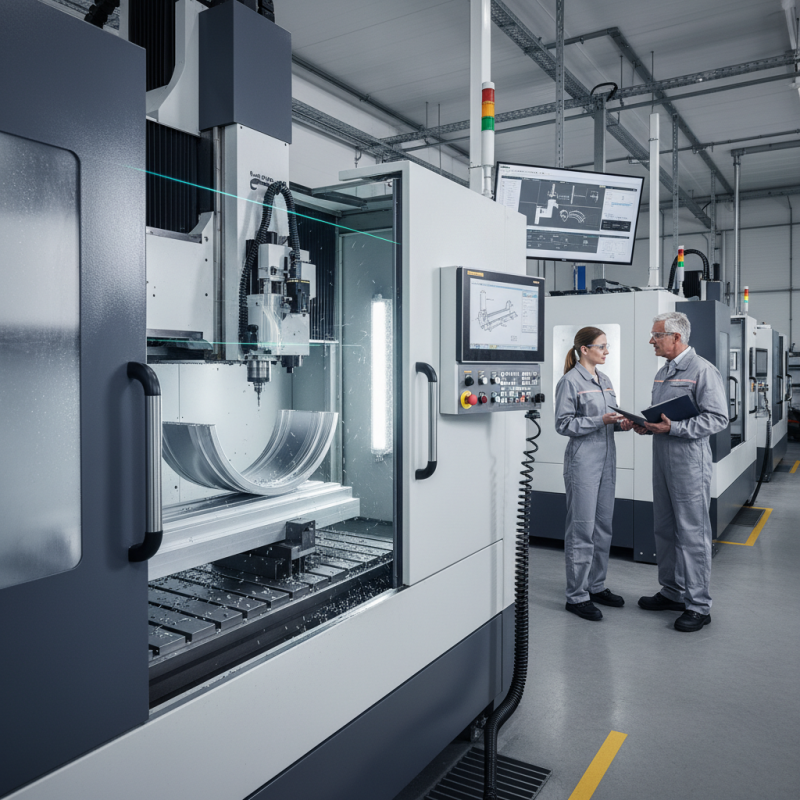
CNC control plays a vital role in profile machining centers. It enhances precision, allowing for intricate designs and exact measurements. With CNC technology, adjustments can be made quickly and accurately. This precision minimizes errors and reduces material waste, making the process more efficient.
In profile machining, the importance of consistency cannot be overstated. CNC machines can replicate complex shapes repeatedly. This capability is crucial for industries that require high-volume production. However, operators must be well-trained to use this technology effectively. Missteps in programming can lead to costly mistakes.
Moreover, CNC control allows for real-time monitoring. Operators can track performance and make adjustments on the fly. This immediate feedback loop fosters an environment of continuous improvement. However, relying solely on technology can lead to complacency. It's essential to maintain a balance between human oversight and automated processes.
CNC control plays a pivotal role in enhancing production efficiency in profile machining operations. This technology allows for precise control of cutting tools and materials, minimizing human error. By automating complex movements, CNC machines can execute intricate designs with speed and accuracy. Users often report a significant reduction in cycle times and better overall productivity.
Despite these advantages, some practitioners encounter challenges when implementing CNC control. Without proper training, operators may struggle to maximize the capabilities of CNC technology. The learning curve can lead to initial inefficiencies. Additionally, maintenance and troubleshooting require specialized knowledge, which can hinder workflows if not addressed promptly. Regular updates and training sessions are essential to maintain operational excellence.
In conclusion, while CNC control significantly boosts production efficiency, it is not without its hurdles. Ongoing education and careful implementation are necessary to harness the full potential of this technology. As the industry evolves, consistent improvement and adaptation remain essential for staying competitive in machining operations.
| Metric | Before CNC Implementation | After CNC Implementation | Percentage Improvement |
|---|---|---|---|
| Production Time (Hours) | 120 | 80 | 33.3% |
| Material Waste (% of total) | 10% | 4% | 60% |
| Setup Time (Hours) | 30 | 10 | 66.7% |
| Quality Assurance Issues (per 100 units) | 8 | 2 | 75% |
| Production Yield (% efficiency) | 75% | 95% | 26.7% |
In recent years, CNC control has become pivotal in profile machining centers. The rapid progression in technology has dramatically enhanced precision and efficiency. Today's CNC systems offer advanced features like adaptive control and real-time data monitoring. Reports indicate that the global CNC market is expected to grow by 7% annually, highlighting its increasing relevance.
As manufacturers strive for greater productivity, CNC control systems are crucial. They allow for complex geometries and intricate designs that were previously unattainable. A study revealed that implementing CNC can decrease machining time by up to 30%. However, reliance on these systems also presents a challenge; operators must undergo extensive training to leverage their full potential.
Reliability is a key concern. While CNC technology minimizes human error, any malfunction can halt production. According to industry experts, maintenance protocols are often overlooked, which can lead to costly downtimes. This paradox emphasizes the balance between technology dependence and human expertise in operating advanced machining centers. As we move forward, the need for skilled operators who can troubleshoot and maintain CNC systems will be critical.
CNC control has revolutionized profile machining centers. The difference between manual and CNC processes is stark. Manual operations rely heavily on the skill level of the operator, which can vary significantly. According to a report by the Manufacturing Technology Association, human error accounts for over 25% of defects in manual machining.
CNC control enhances precision and consistency. With a reported accuracy rate of 0.01 mm in CNC systems, these machines can produce complex profiles that manual processes struggle to achieve. Even minor variations in measurement during manual machining can lead to significant quality issues. Furthermore, CNC machines can run continuously, optimizing production time. A study from the International Journal of Advanced Manufacturing Technology shows CNC machines can increase productivity by up to 50% compared to manual machining.
However, reliance on CNC technology poses its own challenges. Initial setup costs are high, which may deter small operations. Training staff to operate CNC machines can also be a hurdle. Some companies may find that transitioning to CNC requires a culture shift. Nevertheless, the long-term benefits of reduced errors and increased efficiency can outweigh these initial setbacks. Understanding these nuances is crucial for businesses looking to innovate in the profile machining sector.
The future of CNC control technology in profile machining applications is rapidly evolving. Industry reports indicate that by 2025, the global CNC machining market is expected to reach $100 billion. This growth is fueled by advances in automation and precision technology. Companies are increasingly adopting CNC systems that integrate with artificial intelligence to enhance efficiency.
One notable trend is the rise of adaptive control systems. These systems adjust machining parameters in real-time, improving the overall accuracy and reducing waste. A study showed that adaptive CNC systems could decrease machining errors by up to 30%. However, these technologies also require extensive training, which poses a challenge for many operators.
Another area of focus is IoT integration. By connecting CNC machines to the internet, manufacturers can monitor performance remotely. This capability allows for predictive maintenance, potentially reducing downtime by 25%. Nevertheless, as security concerns grow, the struggle to protect sensitive data becomes paramount. These advancements highlight the need for continuous learning and adaptation in the industry. The future is bright but also complex, demanding a balance between innovation and practical implementation.
: CNC control enhances precision and efficiency in profile machining centers, allowing for complex designs and improved productivity.
Implementing CNC technology can decrease machining time by up to 30%, significantly boosting production efficiency.
Challenges include the need for extensive operator training and the high initial setup costs, which can deter some businesses.
Neglecting maintenance can lead to production halts due to malfunctions and costly downtimes, impacting overall efficiency.
CNC machining offers a much higher accuracy rate of 0.01 mm, reducing defects caused by human error in manual processes.
Future trends include adaptive control systems and IoT integration, which improve accuracy and allow remote performance monitoring.
Adaptive control adjusts machining parameters in real-time, which can reduce machining errors by up to 30%.
Connecting CNC machines to the internet introduces risks related to protecting sensitive data and ensuring cybersecurity.
Operators need training to maximize the potential of CNC systems, especially with advancements like adaptive control and IoT.
Companies must balance the benefits of reduced errors and increased efficiency against initial costs and necessary cultural shifts.
CNC control is essential in profile machining centers due to its significant role in enhancing precision and accuracy. By employing advanced algorithms and computer technology, CNC control systems ensure that machining operations maintain high tolerances and consistency, which is crucial for producing intricate profiles. This technology not only boosts production efficiency by minimizing errors and reducing waste but also streamlines the overall machining process.
Moreover, ongoing technological advancements are continuously improving CNC control capabilities, making them more adaptive and easier to integrate with modern manufacturing environments. A comparative analysis of manual versus CNC control reveals that the latter offers substantial advantages in terms of speed, accuracy, and automation. As industries evolve, the future trends in CNC control technology suggest even greater innovations that will further optimize profile machining applications. Overall, this leads to the question, "Why is CNC control widely used in profile machining centers?" The answer lies in its unparalleled ability to enhance precision, efficiency, and adaptability in machining processes.
