Zhixing Machine
Choosing the right tools for profile drilling and punching is crucial for optimal results. This process requires careful consideration of several factors, including material type, thickness, and project specifications. Understanding how to choose suitable tools for profile drilling and punching can significantly enhance efficiency and precision.
In today's market, a variety of tools are available. However, not all tools will meet your specific needs. It's vital to align your choice with the requirements of your projects. Each tool functions differently and offers unique benefits. Selecting the wrong one can lead to subpar outcomes or even project delays.
Experience plays a key role in making the best decision. Experts recommend evaluating your past projects and the tools used. Reflect on what worked and what did not. This analysis will guide you in selecting the tools that best suit your future profile drilling and punching tasks.
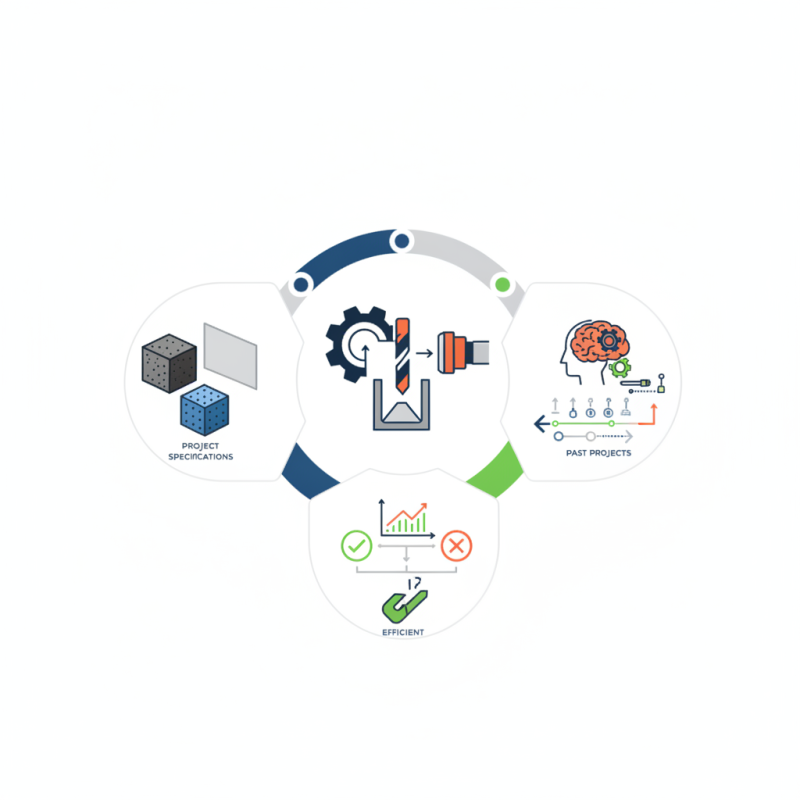
Choosing the right tools for profile drilling and punching is essential for any project. One major factor to consider is the material. Different materials require specific tools. For instance, steel and aluminum need different drill bits and punches. Understanding your material ensures proper tool selection and durability.
Another key aspect is the tool's size and capabilities. Evaluate the thickness and dimensions of the profiles you're working with. A tool that is too small might struggle, affecting the accuracy of your work. Conversely, an oversized tool could lead to waste and inefficiency. It's vital to match the tool's specifications to the project requirements.
Finally, think about the tool's ergonomics and user-friendliness. A well-designed tool minimizes fatigue during extended use. Poorly designed tools can lead to discomfort or mistakes. Testing tools before purchase might help you gauge their usability. Each of these factors contributes to a smoother workflow and better results. Trust your instincts and experience when making the final choice.
When it comes to profile drilling and punching, selecting the right tools is crucial. Many types of tools are commonly used, each serving a unique purpose. For drilling, twist drills and core drills are popular choices. Twist drills efficiently create holes of various diameters. Core drills are designed for deeper penetrations and can handle tougher materials.
Punching tools also vary, with manual and hydraulic punches available in the market. Manual punches are portable and suitable for lighter materials. Hydraulic punches, on the other hand, are robust and ideal for heavier applications. Users often face the challenge of choosing based on the material thickness and required hole size. This decision can significantly affect the efficiency of the task.
Details matter when selecting tools for profile drilling and punching. Consider factors like material compatibility and the frequency of use. A tool that excels in one area may fall short in another. It's important to evaluate the type of work and environment regularly. While one tool may seem perfect, real-world use can uncover limitations. Regular reflection on performance is essential for optimal tool selection.
When selecting tools for profile drilling and punching, it's crucial to consider material compatibility. Different materials require distinct tool types to ensure effectiveness. For instance, softer metals like aluminum need different drill bits than harder materials such as stainless steel. Using the wrong tool can lead to poor results and wasted time.
It's essential to assess the workpiece material thoroughly. Understand its hardness and brittleness. For instance, harder materials may require carbide-tipped tools for durability. In contrast, softer materials may benefit from high-speed steel tools, which are less expensive but effective. Matching the tool to the material can enhance precision and prolong tool life.
Experimentation is often necessary. You may find that a tool performs well on one material but poorly on another. Keep track of your results. Documenting your experiences can provide valuable insights for future projects. Remember, the goal is to optimize performance while minimizing errors and setbacks.
Precision is crucial in profile drilling and punching. Accurate tool selection directly impacts the final product's quality. According to a report by the Precision Engineering Association, up to 30% of manufacturing defects arise from improper tool choices. This statistic highlights how significant the right tools are for achieving tight tolerances and superior finishes.
Selecting tools based on precise specifications is vital. Tools must meet the material's hardness and thickness. For instance, a study found that using the wrong drill bit can lead to dimensional inaccuracies exceeding 0.1 mm for metals. This deviation could compromise the entire project. Moreover, skilled operators sometimes overlook the importance of regular tool maintenance. Dull tools can also affect precision, resulting in unexpected rework.
Many manufacturers face challenges in finding the perfect balance between cost and quality. Sometimes, opting for cheaper tools leads to frequent replacements and higher long-term costs. Reflecting on these choices can help improve tool selection and overall efficiency. Regularly evaluating tool performance and adjusting based on empirical data can also enhance precision in drilling and punching tasks.
When considering profile drilling and punching tools, cost-effectiveness plays a critical role. Investment in quality machinery can seem daunting. However, the long-term value often justifies the expense. According to a study by the National Association of Manufacturers, investing in advanced technology increases productivity by up to 25%. This statistic highlights the potential for greater efficiency and lower operational costs over time.
Maintenance costs also deserve attention. Industry reports suggest that tools with higher initial costs often have lower long-term maintenance needs. For example, durable materials can reduce wear and tear. By minimizing downtime and service expenses, businesses can improve their bottom line. Yet, there remains a challenge in balancing upfront costs with long-term benefits. Companies may hesitate, fearing immediate cash outflows.
Moreover, effective budgeting is essential. A recent survey indicated that 40% of manufacturers do not factor in total cost of ownership when selecting tools. This oversight can lead to regrettable choices. Tools that are cheaper up front may drain resources later. Understanding the total lifecycle cost is crucial for making informed decisions in this industry. The right choice can lead to sustained productivity and profitability.
: Twist drills and core drills are commonly used for creating holes of different diameters.
Manual punches are portable and suited for lighter materials, while hydraulic punches are robust for heavier applications.
Different materials require specific tool types for effectiveness, and using the wrong tool can lead to poor results.
High-speed steel tools are often effective for softer metals like aluminum, as they are less expensive and suitable.
Using the wrong tool can lead to dimensional inaccuracies, potentially compromising the final product's quality.
Regular evaluation of tool performance and the documentation of experiences can improve future tool selection.
Accurate tool selection affects quality, as improper choices can lead to significant manufacturing defects and inaccuracies.
Dull tools can reduce precision and create unexpected rework, impacting efficiency and quality.
Users should consider the balance between cost and quality, as cheaper options may lead to higher long-term expenses.
Yes, experimentation can reveal which tools perform best on specific materials, informing future decisions.
When considering "How to choose suitable tools for profile drilling and punching," it’s essential to evaluate several key factors. Firstly, the specific requirements of the project, such as the type of materials being used, play a critical role in tool selection. Different materials require different tools to ensure compatibility and efficiency in the drilling and punching process. Furthermore, precision and tolerance must be taken into account, as accurate tool selection is vital to achieving desired outcomes and maintaining quality standards.
Additionally, cost-effectiveness should be analyzed, comparing the upfront investment with the long-term value and durability of the tools. By carefully weighing these factors, one can make informed decisions that enhance productivity and minimize costs in profile drilling and punching operations. Ultimately, the right tools not only improve workflow but also elevate the quality of the finished workpiece.