Zhixing Machine
In the competitive landscape of window manufacturing, small window factories face unique challenges. Choosing the right processing machines is pivotal for growth and efficiency. According to recent industry reports, automation in this sector can boost productivity by up to 30%. However, many small factories struggle with understanding how to choose processing machines for small window factories that fit their specific needs.
The market offers a wide range of machines, from cutting and welding to assembly tools. Selecting equipment involves careful consideration of various factors, such as production volume and material types. Data shows that 25% of small manufacturers do not utilize the best technology available, leading to inefficiencies. Additionally, a lack of expertise often results in purchasing decisions that do not align with operational goals.
Investing in the right machines is crucial. Yet, many factors can complicate this process. Smaller budgets and limited space can restrict options. Therefore, it’s essential to assess both immediate needs and future growth potential when determining how to choose processing machines for small window factories. With thoughtful planning, businesses can enhance production, reduce costs, and ultimately compete more effectively in the market.
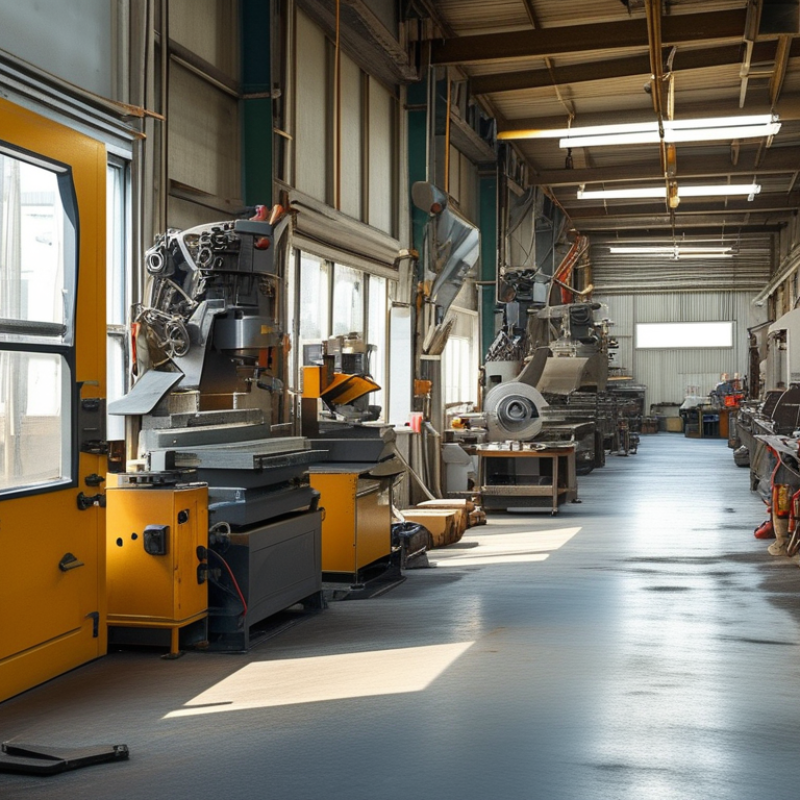
Choosing the right processing machines for small window factories requires an understanding of various types of machines available. There are several key categories: cutting machines, edge bending machines, and assembly systems. Each serves a unique purpose in the window manufacturing process. Cutting machines often include saws that provide precision in cutting materials to desired dimensions. Edge bending machines are essential for applying veneer or laminate edging, enhancing product durability and aesthetics.
According to a report by the International Window Alliance, precision cutting machines can increase production efficiency by up to 30%. For small-scale operations, this can translate to significant time and cost savings. However, investing in advanced technology might not always yield better results if the workforce isn't properly trained to operate such machinery. It is crucial to balance machine capabilities with employee expertise.
Furthermore, assembly systems are integral in ensuring quality workmanship. Automation can improve consistency, but implementing too much automation without skilled oversight can lead to complications. Inadequate understanding of machine operation could result in increased waste or production halts. Ultimately, a prudent assessment of current capabilities and future needs is vital for small window factories aiming to enhance production while minimizing errors.
Choosing the right processing machines for small window factories requires careful consideration of production needs. Assessing the output capacity is essential. Each machine should match your factory's size and production goals. A clear understanding of expected demand will guide your selection.
Plan your production line layout. Identify the processes involved—cutting, assembly, and finishing. This ensures machines fit smoothly into your workflow. For instance, if your factory produces standard-sized windows, invest in machines that optimize speed and accuracy. Features like automated cutting can enhance efficiency, but always weigh them against the cost.
Consider your workforce's skill level. Complex machines may require experienced operators, which can influence hiring decisions. Regular training for staff can help maximize machine potential. Keep in mind that machinery can face breakdowns, resulting in delays. Always have a maintenance plan in place.
Evaluating your needs over time is wise. Production capacity can change. Adapt your machinery choices accordingly. Reflect on past production issues to better inform future purchases. Staying flexible will enhance your factory's resilience in the evolving market.
Choosing the right processing machines for small window factories goes beyond just picking the most expensive option. It's crucial to evaluate core features such as efficiency, precision, and technology. Efficiency directly impacts production rates. Industry reports suggest that machines optimizing processes can boost output by 30%. However, many small manufacturers overlook machine setup time, which can offset these gains if not managed properly.
Precision is another vital metric. Studies show that high-precision machines reduce material waste significantly. Up to 15% of budget can be lost through errors in cuts or dimensions. Investing in machines that provide consistent accuracy pays off in the long run. It’s important to analyze the tolerances that different machines offer to avoid costly overruns.
Technology in machines is rapidly evolving. Newer models incorporate smart technology that aids in diagnostics and maintenance. This can potentially enhance lifespan and efficiency. Yet, some factories might struggle to integrate these advanced systems. Employees may need training, which can slow down initial productivity.
Consideration for machine features should align with your factory's specific requirements. Sometimes, it’s not just about the latest tech but how well it serves your workflow. Balancing cost, capability, and employee readiness is key.
| Machine Type | Efficiency (Units/Hour) | Precision (mm) | Technology Features | Energy Consumption (kWh) |
|---|---|---|---|---|
| CNC Router | 30 | 0.05 | Automated Tool Change, 3D Carving | 5 |
| Glass Cutting Machine | 40 | 0.1 | Laser Measurement, Break Detection | 4 |
| Assembly Machine | 25 | 0.2 | Smart Sensors, Quality Control | 6 |
| Miter Saw | 20 | 0.3 | Angle Adjustment, Dust Collection | 3 |
Budgeting for window processing machines requires careful planning. Identifying overall costs should be your first task. Calculate not just purchase prices, but also maintenance and operational expenses. For example, consider the energy costs of running each machine. These expenses can accumulate quickly, affecting your budget.
Once you have a clear picture of all costs, you can weigh your options. Look at the capabilities of different machines. A higher upfront cost might be worth it if the machine offers lower operational expenses and better efficiency. Additionally, assess financing options available to you. It's crucial to understand how different payment plans can impact your cash flow.
Be aware of potential hidden costs when budgeting. Installation fees, training for staff, and downtime during setup can add up. These factors are often overlooked but vital for accurate financial planning. Reflecting on your factory's specific needs will help ensure you make informed decisions. Developing a detailed budget with these considerations in mind will empower you to invest wisely in your production capabilities.
When choosing processing machines for small window factories, researching suppliers is crucial. You want to find reliable companies that offer quality products. Start by checking their online presence. Look for reviews and testimonials from past customers. Genuine feedback can reveal a lot about a supplier's performance and reliability.
Warranties are important too. A good warranty indicates that the supplier stands behind their products. Ensure to read the warranty terms carefully. Some warranties might cover parts but not labor. This can lead to unexpected costs down the line. Understand what is included and how long the coverage lasts.
Do not overlook service and support options. Having access to professional support can save time and money. If a machine breaks down, quick assistance is essential. It’s worth examining if suppliers provide training for their machines. This can enhance your team's efficiency. Keep in mind, not every supplier may meet your needs perfectly. Reflect on your requirements and the suppliers' offerings to find the best fit.
: The key types include cutting machines, edge bending machines, and assembly systems. Each type serves a specific purpose.
Precision cutting machines can enhance efficiency by up to 30%. This leads to significant time and cost savings for small operations.
Without proper training, advanced machines may not deliver better results. Balancing machine capabilities with workforce expertise is crucial.
Efficiency impacts production rates. Machine setup time can offset gains. Managing this is often overlooked by small manufacturers.
High-precision machines can reduce material waste significantly. Errors can cost up to 15% of the budget through inaccurate cuts.
New machines often feature smart technology that aids diagnostics. However, integration may require employee training, affecting initial productivity.
Reliable suppliers ensure quality products. Feedback from past customers can reveal useful insights about a supplier's performance.
Warranty coverage can vary. It's essential to know if it includes parts, labor, and the duration of coverage to avoid unexpected costs.
Quick assistance is vital if a machine breaks down. This can save time and money, enhancing overall efficiency.
Analyzing features helps align machines with specific factory needs. It’s about finding the right balance between cost, capability, and readiness.
When considering how to choose processing machines for small window factories, it's essential to understand the different types of machines available and how they fit into the production workflow. By assessing the factory's specific production needs and output capacity, manufacturers can identify the machines that will enhance efficiency and precision. Additionally, evaluating machine features such as technological advancements can significantly impact overall performance.
Budgeting and conducting a thorough cost analysis is equally important, as it helps in identifying viable options that align with financial constraints. Finally, researching reliable suppliers and understanding warranty options can provide crucial quality assurances, ensuring the long-term viability of the chosen equipment. By following these guidelines, operators can make informed decisions that will optimize their small window factories.
