Zhixing Machine
Choosing the right processing equipment for window and door production is crucial for manufacturers. It influences efficiency, product quality, and overall profitability. The market offers a range of options, making the selection process complex. A wrong choice can lead to production delays and increased costs.
Focusing on performance, durability, and adaptability is essential when selecting equipment. Different materials may require specific machines. This brings unique challenges. Equipment needs vary based on production volume and design complexity. Without careful consideration, businesses might invest in machines that don’t meet their needs.
Ultimately, understanding how to choose the right processing equipment for window and door production is vital. It can lead to significant improvements in workflow and product quality. Manufacturers must periodically reassess their choices. Decisions can impact long-term success and sustainability. Being informed is key to making the right investments.
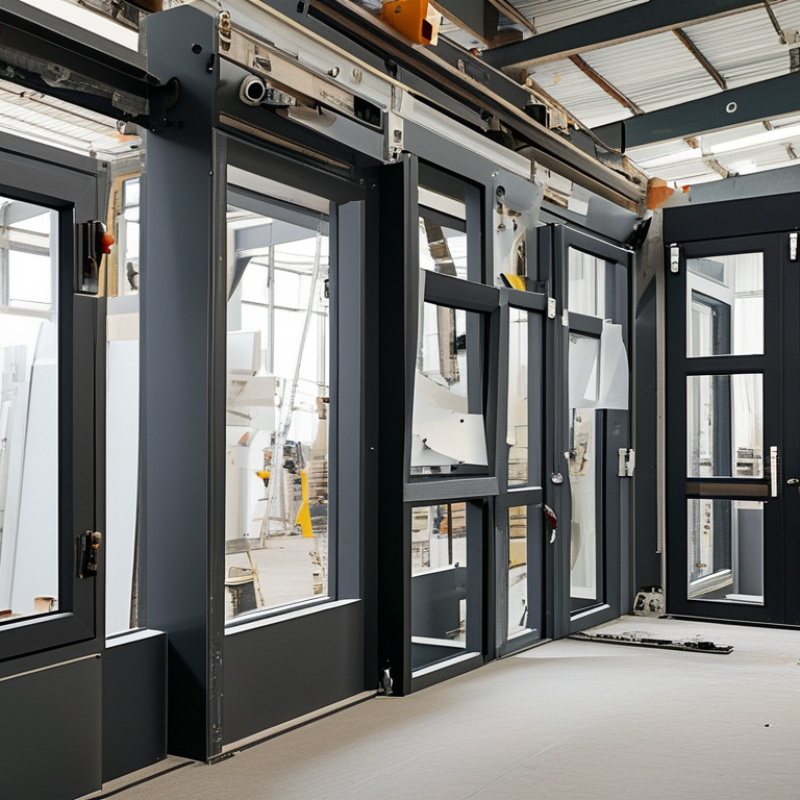
When selecting processing equipment for windows and doors, it is essential to understand the various types available. Each type of equipment serves a different purpose, catering to specific materials and designs. For instance, CNC routers are excellent for precise cuts and shapes. According to a recent industry report, CNC machinery accounts for over 30% of the market share in processing equipment. This highlights its importance in achieving accuracy in window and door manufacturing.
Different materials require different equipment. For example, uPVC frames typically demand specialized welding machines. Compared to aluminum, uPVC requires a unique pressure and temperature setting during fabrication. Numerous reports suggest that proper equipment selection can increase production efficiency by over 25%. Investing in the right tools not only enhances production but also minimizes waste.
Tip: Evaluate your production needs before making purchases. Understanding your design preferences and material types will guide you to the best equipment. Additionally, consider maintenance needs, as some machines require regular calibration to ensure optimal performance. Cutting corners on equipment quality can lead to significant long-term costs and reduced output.
Choosing the right processing equipment for windows and doors is crucial. Key features can significantly impact performance. Start with material compatibility. Not all machines handle every type of material. Check whether the equipment works well with PVC, wood, or aluminum. Each material needs different handling and processing methods.
Speed is another essential factor. Faster equipment can boost production but might sacrifice quality. Efficiency should not compromise accuracy. Ensure that the equipment maintains precision even when running at high speeds. Look for machines with adjustable settings. This allows for fine-tuning to meet specific project needs.
Durability is often overlooked. Equipment might be expensive, but if it breaks down frequently, costs rise quickly. Proper maintenance is vital for longevity. Reflect on the initial investment versus long-term reliability. Reviews and case studies can provide insights into performance and potential weaknesses. Balancing these elements is key to making an informed choice.
When choosing processing equipment for windows and doors, cost-effectiveness is key. Evaluating various machines helps in making informed decisions. Different machines come with varying price points, operational efficiency, and maintenance costs.
Investing in high-quality equipment might seem expensive upfront, but it can save money in the long run. Durable machines often require fewer repairs. They can handle more production, which increases output. However, cheaper equipment might lead to frequent breakdowns, causing delays and additional expenses. Consider the longevity and reliability of the equipment.
Keep the initial investment in mind, but don't overlook the total cost of ownership. Hidden costs, such as energy consumption and labor, should also be factored in. Research on machine efficiency and durability remains crucial. Seek insights or reviews from industry professionals to guide your choice.
When selecting processing equipment for windows and doors, industry standards play a crucial role. Compliance with safety and environmental regulations is essential. Understanding these standards helps in choosing equipment that meets operational needs. Experts emphasize that thorough research is necessary. These insights can save time and resources in the long run.
Assessing certifications is a vital step. Look for equipment that adheres to local and national regulations. Non-compliant equipment can lead to setbacks. Manufacturers should provide documentation of compliance. A proper audit trail is important for accountability. However, it can be challenging to navigate these requirements.
Real-world experience often reveals gaps in understanding. Some manufacturers may overlook critical standards. This oversight can result in equipment failures. Therefore, regular training for staff is essential. Proper knowledge helps maintain peak performance while adhering to regulations. Companies should foster a culture of compliance and continuous learning.
In recent years, technological innovations have transformed window and door manufacturing equipment. Advancements in automation and data analytics have led to increased efficiency. A report from the International Window and Door Association indicates a 30% boost in productivity through automation. This improvement not only speeds up production but also enhances product quality.
New materials, such as advanced composites, have entered the market. These materials offer greater durability and insulation, resulting in energy savings. According to a study by the Building Industry Association, using innovative materials can save homeowners up to 20% on energy costs. However, integrating these technologies requires significant investment and training.
Manufacturers also face the challenge of ensuring reliability in equipment. As technology evolves, the complexity of machinery increases. This can lead to difficulties with maintenance and repair. It's essential to balance innovation with usability. Investing in user-friendly equipment can mitigate these risks while embracing new technologies.
| Equipment Type | Key Features | Technological Innovations | Estimated Cost Range | Efficiency (units/hour) |
|---|---|---|---|---|
| Cutting Machines | Precision cutting, computer-controlled | Laser cutting technology, dust reduction systems | $15,000 - $30,000 | 50-150 |
| Assembly Stations | Automated assembly, ergonomic design | Robotic arms, real-time data tracking | $25,000 - $50,000 | 30-100 |
| Sealing Machines | High-performance sealing, adjustable temperature | Heat transfer technology, energy-efficient | $10,000 - $20,000 | 40-120 |
| Finishing Equipment | Automated painting and coating | Nano-coating technology, UV curing | $20,000 - $45,000 | 25-80 |
| Quality Control Systems | Automated inspection, AI integration | Machine learning for defect detection | $15,000 - $35,000 | N/A |
: Material compatibility is crucial. Ensure the equipment works well with PVC, wood, or aluminum.
Faster equipment boosts production but may compromise quality. Precision must not be sacrificed for speed.
Durable machines have fewer breakdowns and repairs. Initial costs may be high, but longevity saves money.
Don't overlook energy consumption and labor. These can add up and affect the total cost of ownership.
Research local and national regulations. Look for equipment with proper certifications and documentation.
Proper maintenance is vital for reliability. Reflect on maintenance needs versus initial investments made.
Regular training helps maintain performance and ensures compliance. Gaps in knowledge can lead to equipment failures.
Non-compliance can lead to operational setbacks and longer downtimes. Awareness of regulations is essential.
Insights from industry professionals reveal performance strengths and weaknesses. Research aids informed decision-making.
Yes, cheaper machines may lead to frequent breakdowns. This could result in delays and added expenses.
When considering how to choose the right processing equipment for window and door production, it's essential to understand the various types of equipment available in the market. Evaluating key features and specifications ensures optimal performance, and it’s crucial to analyze the cost-effectiveness of different machines to make informed investment decisions. Additionally, compliance with industry standards should be a primary factor in equipment selection, as it affects both quality and safety.
Technological innovations are also transforming the manufacturing landscape for windows and doors, offering greater efficiency and precision. By exploring these advancements and understanding their implications, manufacturers can enhance production capabilities while remaining competitive. Ultimately, a thoughtful approach to selecting processing equipment can significantly influence the success of window and door production operations.
