Zhixing Machine
Calculating the production capacity of profile processing lines is vital in today’s manufacturing landscape. According to industry expert John Smith, “Understanding your production capacity can lead to better efficiency and profitability.” Accurate calculations optimize resource allocation and streamline workflows.
When considering how to calculate production capacity of profile processing lines, several factors come into play. Equipment capabilities, workforce skills, and material availability all influence the final results. However, many companies overlook these components, leading to inflated capacity estimates. This oversight can cause delays and increase operational costs.
Moreover, businesses often struggle with changes in demand. This unpredictability makes constant adjustments necessary. A flexible approach to capacity analysis allows companies to respond swiftly. Ultimately, mastering this calculation not only enhances efficiency but also ensures long-term success. Continuous reflection on these processes can reveal areas for improvement.
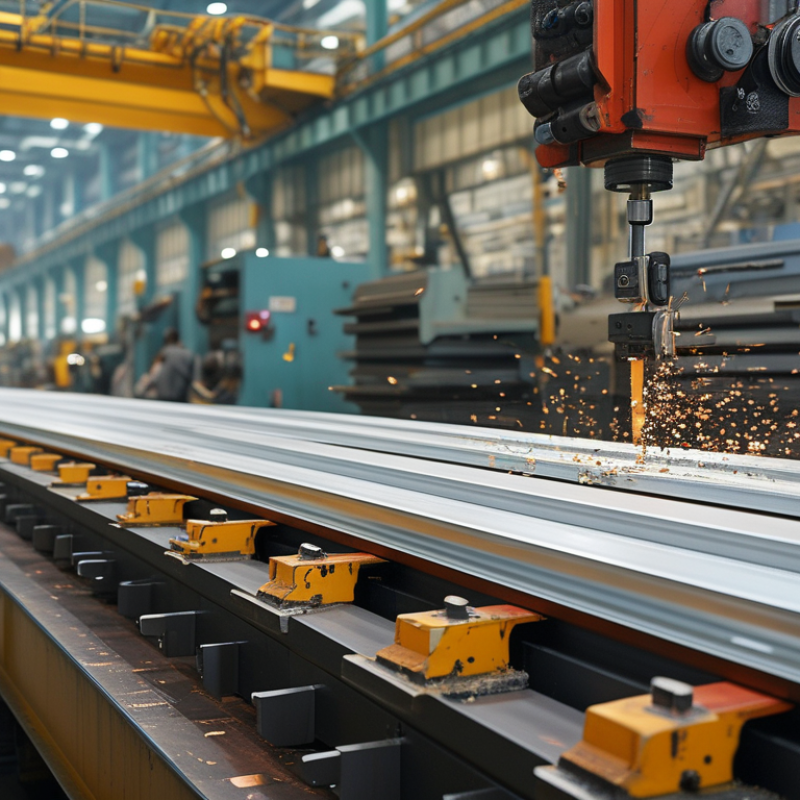
Profile processing lines play a crucial role in manufacturing. Understanding their components helps in maximizing production efficiency. These lines typically include several machines such as saws, milling machines, and drilling equipment. Each machine performs specific tasks, allowing for streamlined operations. Proper integration of these components influences overall output.
Operators must have knowledge about each machine. Often, training is essential to ensure smooth operations. Misunderstanding a single component can lead to bottlenecks. Experience in managing these lines is invaluable. Regular maintenance also enhances efficiency and reduces downtime. Neglecting this aspect can severely impact production capacity.
Monitoring performance data is critical for improvement. It helps in identifying areas needing attention. Sometimes, operators discover unexpected delays. These delays may stem from minor adjustments being overlooked. Keeping a close eye on every aspect allows for continuous refinement of the production process. This approach fosters a culture of learning and adaptation within the workplace.
The production capacity of profile processing lines significantly relies on several key factors. One critical aspect is machinery efficiency. According to industry reports, optimized machinery can increase production rates by up to 25%. Regular maintenance is also essential to avoid downtimes. Neglecting this can lead to substantial capacity losses, sometimes by as much as 15% of total output.
Another influential factor is material quality. High-quality materials contribute to better processing and less waste. A study highlighted that using premium materials can reduce scrap rates by about 10%. Furthermore, employee training plays a pivotal role in ensuring machinery is operated effectively. Workers must understand the nuances of the processing lines. Poor training might result in misoperations, potentially reducing overall efficiency by 20% or more.
Finally, production scheduling impacts capacity as well. Efficient scheduling allows for better use of machinery and labor. However, inflexible schedules can create bottlenecks, impacting lead times. Industry analysis reveals that adopting a flexible scheduling approach may improve overall throughput by 15%. It's essential to reflect on these factors, as overlooking them could impair production capabilities significantly.
| Factor | Description | Impact on Capacity (%) | Example Value |
|---|---|---|---|
| Machine Efficiency | Performance of machinery in optimal conditions | 85% | 7,500 units/day |
| Material Availability | Consistent supply of raw materials | 90% | 8,100 units/day |
| Labor Skill Level | Expertise and training of the workforce | 70% | 6,300 units/day |
| Downtime | Time when machines are not operational | 15% | 6,000 units/day |
| Quality Control | Effectiveness of quality checks reducing rework | 80% | 7,200 units/day |
Understanding how to calculate throughput in profile processing lines is crucial for optimizing production. Throughput refers to the amount of material processed in a specific period. Accurate calculations help managers assess productivity levels effectively and identify bottlenecks.
Two primary methods can be employed to calculate throughput. The first is the time-based approach. This involves measuring the time taken for a given quantity of profiles to pass through the processing line. By dividing the total output by the total time, you can determine the throughput. The second method focuses on machine efficiency. Analyzing the operational capacity of each machine during the production cycle provides insight into potential improvements. Here, factors like downtime and maintenance schedules become vital.
However, not all calculations will yield perfect results. Variability in material properties and unforeseen breakdowns can skew data. Relying solely on theoretical models may lead to overestimated capacities. Regular monitoring and adjustments are necessary to maintain accurate throughput calculations. Embracing a flexible approach allows manufacturers to respond swiftly to changing conditions in production.
When evaluating the production capacity of profile processing lines, industry standards play a crucial role. Common benchmarks indicate that an efficient line can process between 1,500 to 3,000 linear meters of profile per shift. This measurement, however, varies based on factors such as material type, machine efficiency, and operator skill level. According to the Manufacturing Industry Report 2022, optimizing these factors can boost output significantly, potentially exceeding the upper thresholds mentioned.
It is important to consider the benchmark of 80% overall equipment effectiveness (OEE) for these lines. Achieving this requires regular maintenance and skilled operators. A study by the Technical Federation highlights that companies often fall short of this target. Equipment downtime accounts for about 20% of potential production time. Variability in processing speeds can detrimentally impact capacity assessments.
Furthermore, the ideal production process is not always straightforward. Variables like supply chain delays and unexpected material shortages can create inconsistencies. Experts suggest conducting regular capacity audits. These can help identify bottlenecks and improve overall efficiency. Continuous assessment ensures that production lines adapt to changes in demand and technology, reinforcing the need for a proactive approach in capacity evaluation.
Optimizing efficiency in profile processing lines is essential for maximizing production capacity. The average efficiency rate in the industry hovers around 70%. However, leading organizations report rates exceeding 90% through strategic enhancements. Key factors include minimizing downtime and enhancing machine reliability. Implementing predictive maintenance can significantly reduce unexpected failures, which can lead to costly delays.
To enhance profile processing capacity, consider investing in automation. Automated systems can increase output while maintaining consistent quality. Integrating advanced software for real-time monitoring can help identify bottlenecks swiftly. An industry report highlights that companies adopting such technologies see a 25% increase in overall output.
Evaluate workflows regularly. Small inefficiencies can accumulate and hinder production. For example, streamlining material handling can reduce cycle times significantly. Training personnel to adapt to optimized processes is also vital. Regular feedback sessions can foster a culture of continuous improvement. Remember that even minor adjustments can yield substantial benefits in production capacity.
: Profile processing lines are systems used in manufacturing to shape and refine materials. They include various machines for specific tasks.
Knowing each component helps to maximize production efficiency and prevent bottlenecks. Misunderstanding can lead to significant delays.
Training is essential for operators. It ensures they can effectively manage machines and prevent costly mistakes in the process.
Regular maintenance is crucial. It enhances efficiency and reduces unexpected downtime, which can severely impact production capacity.
Monitoring helps identify areas needing improvement. It allows operators to detect delays caused by overlooked adjustments.
Automation can significantly increase output and maintain consistent quality. It streamlines operations, thus enhancing overall efficiency.
Regular evaluations of workflows can uncover small inefficiencies. Addressing these can prevent production slowdowns.
Predictive maintenance anticipates equipment failures. It significantly reduces unexpected breakdowns, minimizing costly production delays.
Training personnel to adapt to optimized processes is vital. Regular feedback sessions promote a culture of continuous improvement.
Even minor adjustments in handling materials can yield substantial benefits. These changes can reduce cycle times and enhance output.
Understanding how to calculate production capacity of profile processing lines is essential for optimizing manufacturing efficiency. The capacity is influenced by various factors including the components of the processing lines, the methods employed for throughput calculations, and industry benchmarks that guide capacity evaluation. By analyzing these key factors, manufacturers can identify potential bottlenecks and improve operational workflows.
To effectively calculate production capacity, it is crucial to utilize standardized methods that take into account machine performance, material availability, and production cycles. Implementing these practices not only helps in evaluating current capabilities but also in setting realistic goals for capacity enhancement. Ultimately, optimizing efficiency in profile processing lines leads to improved throughput and productivity, aligning with industry standards.
