Zhixing Machine Zhixing Machine

Difference Between Aluminum and UPVC Processing Machines?

Time:2026-05-07 Author:Henry
0%

The discussion around processing machines often leads to a critical question: "What is the difference between aluminum and UPVC processing machines?" In the building and construction industry, these machines have distinct roles and specifications. According to a report by the International Aluminum Institute, the demand for aluminum in construction is expected to increase by 25% by 2025. This rise emphasizes the importance of understanding the equipment involved in processing this popular material.

Aluminum processing machines typically feature higher technological specifications and machining capabilities. They are designed to handle higher pressures and temperatures. In contrast, UPVC machines focus on efficiency and cost-effectiveness. The global UPVC market is projected to grow at a CAGR of 7.8% from 2021 to 2028, reflecting its extensive use in windows and doors.

The difference in processing techniques greatly affects the final product. Aluminum offers strength and longevity, while UPVC provides insulation and affordability. However, manufacturers sometimes struggle with material compatibility and machine adaptation, leading to inefficiencies. Understanding these distinctions is crucial for stakeholders aiming to optimize production lines and meet evolving market demands.
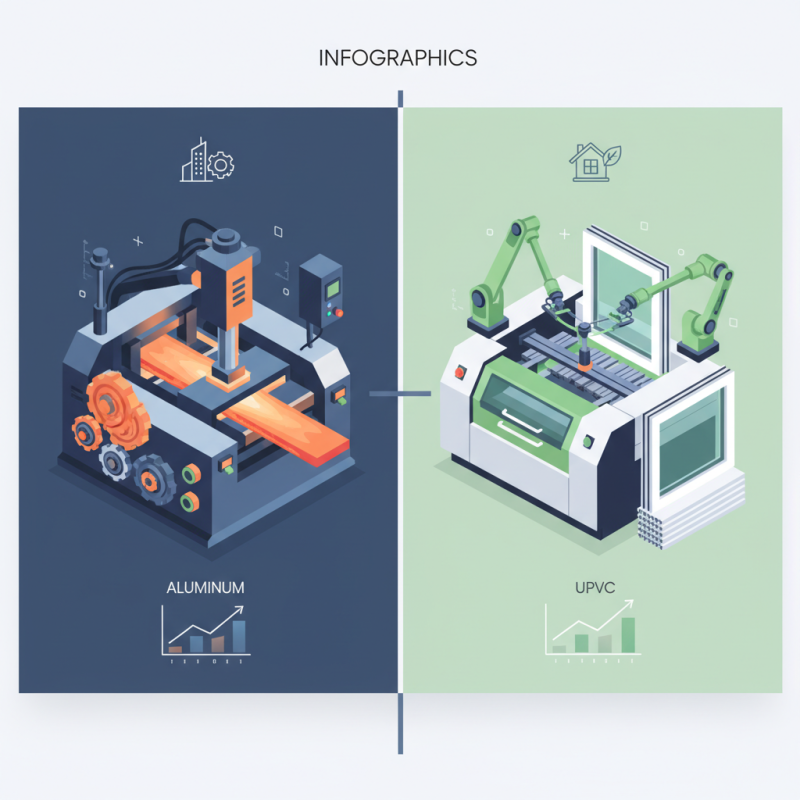
Difference Between Aluminum and UPVC Processing Machines?

Difference in Raw Material Requirements for Aluminum and UPVC Machines

When comparing aluminum and UPVC processing machines, raw material requirements differ significantly. Aluminum requires more complex handling. The metal must be sourced, cut, and shaped with precision. Machines designed for aluminum often feature heavy-duty components to manage the density of the material. The tools also need higher energy consumption due to the strength of aluminum. This can lead to increased operating costs and maintenance challenges. Not every facility can accommodate these machines effectively.

In contrast, UPVC processing machines are generally simpler. UPVC is a plastic material, lighter and easier to manipulate. The machines require less energy, making them cost-effective for startups. However, the plastic can be sensitive to temperature and pressure changes. It’s essential to calibrate machines accurately, which might not always be straightforward. Operators must consider the environment where these machines will be used. This can affect production efficiency and product quality.

Processing Techniques: Extrusion, Injection Molding, and Their Applications

Extrusion and injection molding are key techniques in processing aluminum and UPVC materials. Extrusion involves forcing material through a die to create long shapes like pipes and panels. This method is efficient for mass production. In 2022, the global extrusion market was valued at approximately $55 billion and is projected to grow steadily.

Injection molding, on the other hand, injects molten material into a mold. This allows for complex shapes and precise dimensions. Industries like automotive and consumer products rely heavily on this technique. According to a recent market analysis, injection molding accounted for around 66% of the plastic processing market in 2021. These methods highlight the diverse applications of aluminum and UPVC in various sectors.

Despite advancements, challenges remain. Extrusion can cause material wastage if not monitored properly. Injection molding requires high initial costs for mold creation, which may deter small manufacturers. Understanding these nuances is vital for optimizing production and minimizing costs. Both techniques have unique pros and cons that impact choice for each project.

Difference Between Aluminum and UPVC Processing Techniques

Energy Consumption and Efficiency Metrics of Processing Machines

When considering aluminum and UPVC processing machines, one key aspect is energy consumption. Both types of machines vary significantly in efficiency metrics. Aluminum processing machines typically require more power due to the toughness of the material. In contrast, UPVC machines are often more energy-efficient and can operate at lower power levels. This makes UPVC machines appealing for businesses looking to reduce energy costs.

Efficiency also depends on the machine design and technology. High-quality UPVC machines often integrate advanced technologies that allow for better energy management. Many modern machines utilize variable frequency drives, which adjust the motor speed based on demand. This optimizes energy use, leading to lower operational costs.

Tips: Consider investing in energy audits for your processing machines. Regular assessments can help identify areas for improvement. Upgrading older machines with more efficient technology can lead to significant energy savings. Balancing performance with energy needs is crucial to operating sustainably.

Durability and Maintenance Considerations for Aluminum vs. UPVC Equipment

When comparing aluminum and UPVC processing machines, it's essential to consider durability and maintenance. Aluminum machines are renowned for their strength and longevity. They can withstand harsh conditions. However, this doesn’t mean they are maintenance-free. Regular inspections are necessary to catch any wear or corrosion early.

In contrast, UPVC machines might not be as robust as aluminum, but they offer great resistance to rust and corrosion. They are typically lighter, which can simplify handling. However, they require careful maintenance as well. Regular cleaning and occasional replacement of worn-out parts can prolong their lifespan significantly.

Tip: Don't overlook the importance of routine checks on both types of machines. A small issue can escalate quickly and lead to bigger problems.

Another consideration is energy efficiency. Aluminum machines often consume more energy during operation. UPVC machines generally use less. Choosing the right type depends on your production needs and operating conditions.

Tip: Keep a maintenance log. Recording your inspections and repairs can help identify recurring issues, leading to better efficiency in the long run.

Market Trends: Demand and Production Volume of Aluminum and UPVC Profiles

The market for aluminum and UPVC profiles has seen significant growth in recent years. Factors such as energy efficiency and durability drive demand for both materials. Aluminum is often favored for its strength and lightweight properties. However, UPVC is appreciated for its thermal insulation and cost-effectiveness. These characteristics position both materials well within their respective markets.

Production volumes for aluminum profiles are high, with factories investing in advanced processing machines. The trend shows a preference for automation to enhance efficiency. UPVC production also requires sophisticated machinery, but the focus often tilts toward versatility and customization. Manufacturers are exploring eco-friendly processes to meet rising environmental standards. Industry reports indicate that both materials are crucial in construction and home improvement.

Despite the favorable trends, challenges remain. Fluctuating raw material prices affect both markets. Additionally, the need for skilled labor is critical for quality production. As companies evolve, they must adapt their strategies. Learning from past experiences in machinery handling is essential. This adaptability will define their success in a competitive landscape.

FAQS

: What is the energy consumption difference between aluminum and UPVC processing machines?

: Aluminum machines typically require more power, while UPVC machines are more energy-efficient and operate at lower power levels.

How can I improve the energy efficiency of my processing machines?

Consider investing in energy audits. Upgrading to high-quality machines with advanced technology can reduce energy costs.

What maintenance do aluminum processing machines require?

They need regular inspections to identify wear or corrosion. Maintenance is essential for their longevity.

Are UPVC processing machines durable?

UPVC machines might not be as strong as aluminum but resist rust and corrosion. They also need careful maintenance.

What are the advantages of variable frequency drives in machines?

These drives adjust motor speed based on demand, optimizing energy use and reducing operational costs.

How important are routine checks on processing machines?

Very important. Small issues can quickly escalate and lead to larger problems if not addressed promptly.

Can I enhance the lifespan of UPVC machines?

Yes, regular cleaning and replacing worn-out parts can significantly prolong their lifespan.

What is the impact of machine design on efficiency?

Machine design greatly influences efficiency metrics. High-quality machines typically perform better in energy management.

Conclusion

The article titled "Difference Between Aluminum and UPVC Processing Machines" explores key distinctions between the two types of processing equipment. One of the primary differences lies in the raw material requirements, as aluminum machines necessitate different machinery and tooling compared to UPVC. In terms of processing techniques, aluminum typically employs extrusion, while UPVC often utilizes injection molding, each suited for various applications within the industry.

Furthermore, energy consumption and efficiency metrics vary significantly, with aluminum processing often being more energy-intensive than UPVC. The article also emphasizes durability and maintenance considerations, suggesting that while aluminum machines may provide longevity, UPVC machines often require less upkeep. Lastly, the market trends indicate a growing demand and production volume for both materials, reflecting their respective roles in modern manufacturing. Overall, the discussion provides a comprehensive understanding of "What is the difference between aluminum and UPVC processing machines," highlighting both technological and market-based perspectives.

Henry

Henry

Henry is a dedicated marketing professional with a profound expertise in the company's offerings. With years of experience in the industry, he possesses an impressive understanding of the market dynamics and consumer behaviors that drive success. Henry is committed to sharing his insights through......