Zhixing Machine Zhixing Machine

How to Adjust Machines for Different Profile Sizes and Styles?

Time:2026-05-22 Author:Ethan
0%

In the world of manufacturing, the ability to customize machines for various profile sizes and styles is vital. Experts in the field understand that precision matters. According to John Smith, a leading mechanical engineer, “Adjusting machines accurately can save time and increase production efficiency.” His insights emphasize the importance of knowing how to adjust machines for different profile sizes and styles.

Each profile has unique requirements. Machine settings must adapt to these variations. This process involves a deep understanding of the machinery's capabilities and limitations. As production demands grow, the complexity increases. Operators may often feel overwhelmed by the technical adjustments required. However, mastering this skill is essential for output quality and operational success.

Experience plays a crucial role in mastering these adjustments. Over time, operators learn what works best for each profile type. Mistakes will happen along the way, leading to further refinement of techniques. Recognizing patterns in these adjustments can prove invaluable. Embracing this learning process allows businesses to stay competitive. Understanding how to adjust machines for different profile sizes and styles isn’t just beneficial; it’s a necessity for sustainable growth.
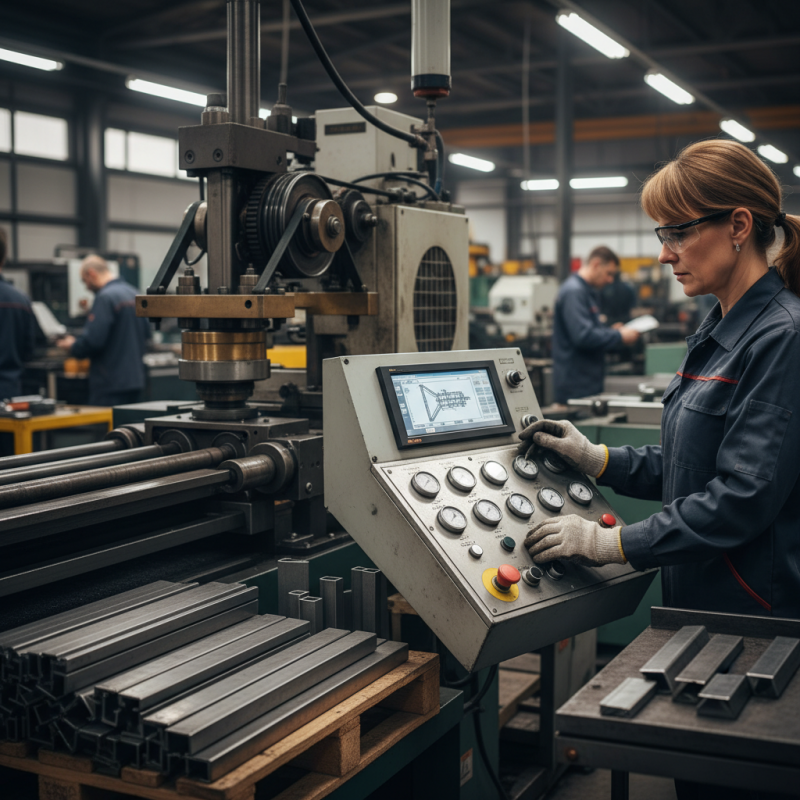
How to Adjust Machines for Different Profile Sizes and Styles?

Understanding Machine Specifications for Profile Adjustments

Adjusting machines for various profile sizes and styles requires a solid understanding of their specifications. Each machine has unique settings that dictate how materials are shaped. Knowing the capabilities and limits of the equipment is crucial when making these adjustments. For instance, specific parameters like speed, temperature, and pressure play significant roles in achieving the desired profile. It’s essential to consult the machine’s manual for detailed guidance on these specifications.


When modifying profiles, it’s easy to overlook what works seamlessly in one situation may not apply to another. Often, slight adjustments yield unexpected results. For instance, small changes in temperature can lead to significant differences in material behavior. Testing different settings on scrap materials can provide valuable insights before finalizing production. Communication with team members about the adjustments is vital. Their feedback can highlight unforeseen issues and improve the overall process. Embracing this trial-and-error method may feel frustrating, but it is an integral part of mastering machine adjustments.

The Role of Calibration in Achieving Accurate Profile Sizes

Calibration plays a vital role in achieving accurate profile sizes. It ensures that machines operate within specific parameters. This process requires regular checks and adjustments to maintain precision. Even minor deviations can lead to significant errors in production. A calibrated machine produces consistent profiles, supporting product quality.

Without proper calibration, machines may default to incorrect measurements. This can create misaligned products, leading to waste and inefficiency. Operators should regularly review calibration data. This ensures machines stay on track. Calibration tools must also be reliable and regularly maintained for accurate results.

Understanding the calibration process is essential. Operators should be trained to identify signs of wear or misalignment. Small issues, if ignored, can escalate. Regular audits and feedback loops enhance the calibration process. Reflecting on past calibration outcomes improves future performance and accuracy.

Step-by-Step Guide to Adjusting Machine Settings for Various Styles

Adjusting machines for different profile sizes and styles is crucial in optimizing production efficiency. Each style requires precise settings to ensure quality output. Start by understanding the specific requirements of the profile you are working on. This knowledge allows for better adjustments in machine parameters.

When modifying machine settings, be mindful of the material type. Different materials behave differently under similar settings. For instance, softer materials may require less pressure than harder ones. A mistake in pressure can lead to product defects. Here, meticulous calibration is key. Experimentation may be necessary when transitioning between styles.

Tips: Always document your settings for each profile. This creates a reference point for future adjustments. Use a checklist to avoid overlooking any critical settings. If a machine produces inconsistent results, revisit your previous settings. It's about finding the right balance between experimentation and consistency.

Keep track of your successes and failures; they will guide your future adjustments. Adjustments might not always lead to immediate success, but each attempt helps refine your process.

Industry Standards for Profile Size Adjustments and Their Impact

Adjusting machines for different profile sizes and styles is crucial in manufacturing. Industry standards dictate how these adjustments should be made. Compliance with these standards ensures quality and reliability in production processes. Adhering to specifications allows manufacturers to maintain consistency, minimizing defects in the final product.

Proper training is essential for operators. They must understand the nuances of profile adjustments. Misalignment can lead to wasted materials and time. It's also important to have a system in place for monitoring adjustments. This ensures accuracy and helps identify potential issues early on. A lack of attention in this area can result in serious setbacks.

Feedback from operators plays a vital role in refining these processes. They are often the first to notice inefficiencies. Regular reviews and updates to adjustment techniques are necessary. This allows manufacturers to adapt to changing demands. Striking a balance between flexibility and adherence to standards is key. The goal is to create products that meet or exceed customer expectations.

Common Challenges in Machine Adjustments and How to Overcome Them

Machine adjustments for different profile sizes and styles pose common challenges in the manufacturing process. Research indicates that up to 30% of downtime is attributed to improper machine settings. This not only affects productivity but also impacts product quality. Understanding the nuances of machine adjustments can make a significant difference.

A common issue is the lack of accurate measurements, leading to inconsistent profiles. Operators should ensure regular calibration of measuring tools. A good practice is to document settings and measurements during each production run. This creates a reliable reference, reducing the chance of errors.

Another frequently encountered obstacle is the machine's adaptability to various materials. Each material has unique properties that require specific adjustments. A recent survey showed that 25% of manufacturers struggle with this aspect. Implementing a standardized adjustment process can help. Train operators to recognize signs of mismatched settings early.

Tip: Encourage team discussions about challenges encountered. This builds a culture of sharing solutions. Consider cross-training employees to broaden their understanding of different machine settings. Another tip is to invest in training that focuses on machine versatility. This enhances flexibility and decreases the likelihood of errors over time. Balancing efficiency with adaptability is key for better outcomes.

FAQS

: Why are machine adjustments important in manufacturing?

: Adjustments ensure quality and reliability. They minimize defects in the final product.

What training do operators need for profile size adjustments?

Operators must understand profile adjustment nuances. Proper training reduces material waste and time loss.

What is a common challenge in machine adjustments?

Inaccurate measurements lead to inconsistent profiles. This impacts productivity and product quality.

How can manufacturers monitor adjustment accuracy?

Implement a system to track adjustments. Early detection of issues is crucial for maintaining standards.

What can operators do to avoid adjustment errors?

Regularly calibrate measuring tools. Document settings during production runs for reliable references.

How can teams improve their adjustment techniques?

Encourage discussions about encountered challenges. Sharing solutions promotes a culture of continuous improvement.

What difficulties do manufacturers face with different materials?

Each material requires unique adjustments. This adaptability challenge leads to common operational struggles.

How can cross-training benefit manufacturing processes?

Cross-training broadens understanding of machine settings. This enhances flexibility and reduces errors.

Why is feedback from operators important?

Operators notice inefficiencies first. Their insights help refine adjustment processes effectively.

How often should adjustment techniques be reviewed?

Regular reviews are necessary to adapt to changing demands. This balance supports better product outcomes.

Conclusion

In the article titled "How to Adjust Machines for Different Profile Sizes and Styles," the importance of understanding machine specifications is emphasized as a prerequisite for effective adjustments. Calibration plays a critical role in ensuring that machines can produce accurate profile sizes, which directly impacts the overall quality of the output. A detailed, step-by-step guide is provided, highlighting the necessary settings adjustments for various styles, allowing operators to achieve desired results consistently.

Additionally, the article discusses the industry standards that govern profile size adjustments, shedding light on their significance in maintaining competitive quality levels. Common challenges faced during machine adjustments are also addressed, along with practical solutions to overcome these hurdles. This comprehensive approach equips readers with the knowledge and skills necessary to effectively navigate the complexities of "how to adjust machines for different profile sizes and styles.

Ethan

Ethan

Ethan is a seasoned marketing professional with a deep expertise in our company's innovative product line. With a passion for sharing knowledge and insights, he takes the lead in regularly updating our corporate blog, where he explores industry trends, product features, and effective marketing......